When it comes to selecting marine fabrics, the process involves various considerations to ensure durability, functionality, and aesthetic appeal. Whether you're outfitting a boat or looking for boat tarp material, the right choice can significantly impact performance and protection against the elements. From understanding key properties and types to testing for quality and sewing tips, this guide provides a comprehensive overview of selecting marine fabrics, including insights on replacement guidelines. Elevate your marine application knowledge and make informed decisions for your fabric needs.
Key Properties of Marine Fabrics
Marine fabrics must meet specific requirements due to their exposure to harsh environmental conditions. Below are some critical properties to consider when selecting marine fabrics for boat tarp material, inflatable dinghy cover, or any other application.
Property | Importance |
UV Resistance | Prevents fabric degradation and fading due to sun exposure. |
Waterproofing | Ensures fabric repels water to protect the boat and contents. |
Mildew Resistance | Prevents mold and mildew formation, maintaining fabric integrity. |
Durability | Resists wear and tear from environmental and operational stresses. |
Breathability | Allows air circulation to minimize moisture buildup beneath covers. |
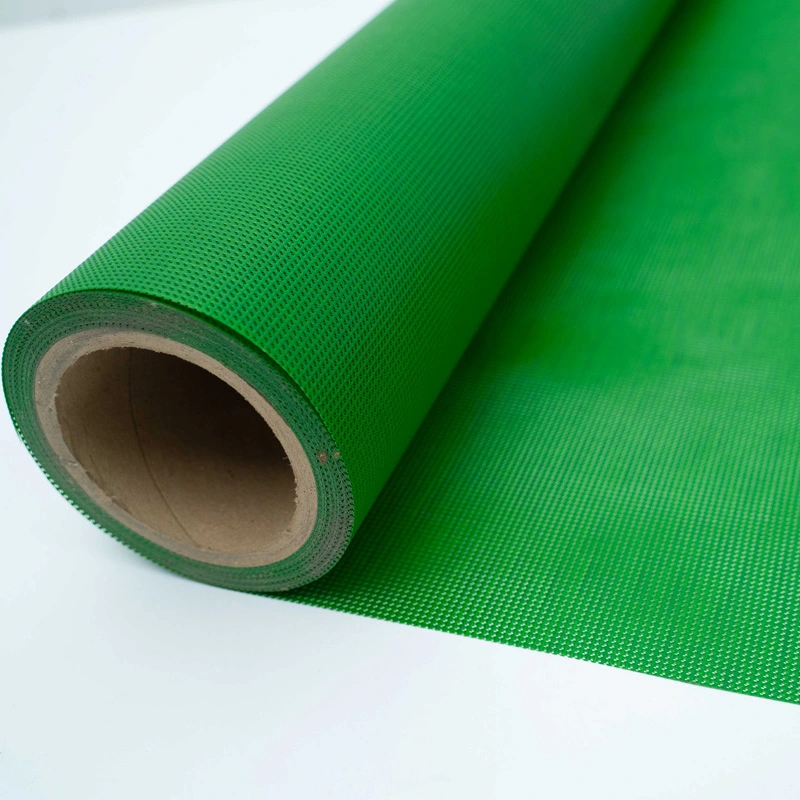
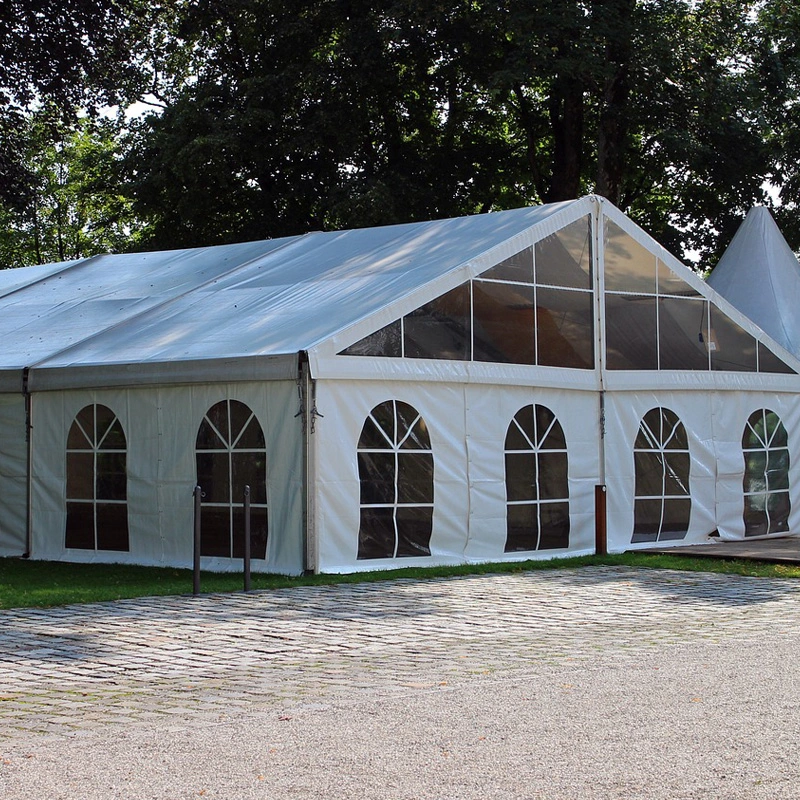
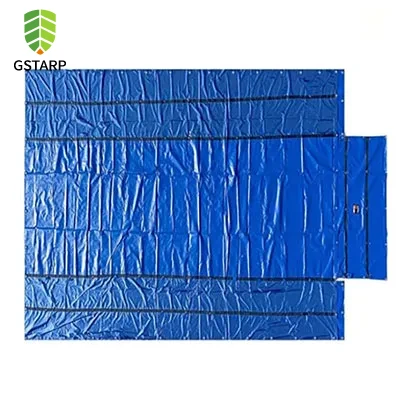
Marine fabrics that boast UV resistance and waterproofing, such as canvas tent fabric or vinyl coated polyester tarp, excel in longevity and reliability for various applications. Among popular options, PVC tarpaulin and textilene fabric stand out for their high performance and resilience in marine environments.
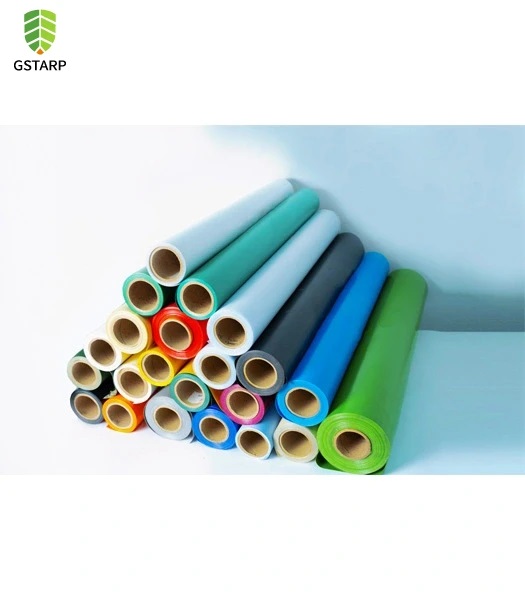
Types of Marine Fabrics for Boats
The choice of marine fabrics depends heavily on the intended use, whether for boat covers, seating, or flooring. Here are some commonly used types:
Vinyl Coated Fabric - Excellent for boat tarp material due to its waterproof properties and ease of cleaning.
Canvas Fabric - Known for strength and beauty, perfect for sails and canvas sun shade sail applications.
Mesh Fabrics - Ideal for breathable covers or seating, allowing air to circulate through mesh sun shade options.
Acrylic Fabrics - Offers great color retention and resilience, commonly used for awnings and covers like camper trailer awnings.
Choosing the right type is crucial for performance and ensuring the fabric meets the specific needs of your marine applications. Canvas sun shade and mesh shade tarp are notable for their robustness and versatility in outdoor environments.
Testing for Quality: Ensuring Optimal Performance
Quality testing for marine fabrics can help determine their suitability for different conditions. Here's a look at the primary tests involved:
Test Type | Objective |
Hydrostatic Pressure Test | Measures waterproof efficiency under high water pressure. |
UV Exposure Test | Assesses fabric's resistance to UV rays over time. |
Tensile Strength Test | Determines fabric's ability to withstand pulling forces. |
Mildew Resistance Test | Evaluates fabric's capability to resist mildew growth. |
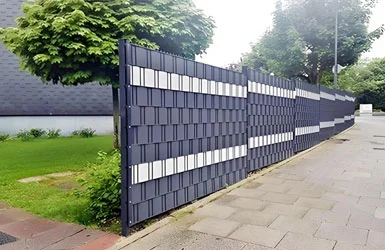
Ensuring fabric quality through rigorous testing ensures optimum performance and durability. Utilizing tarpaulin materials like Camo tarpaulin or construction safety fence can provide excellent resistance and reliability.
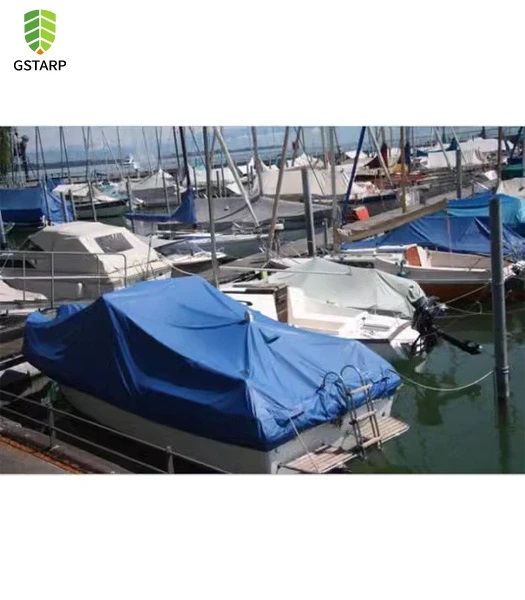
Sewing Tips for Marine Fabric Applications
Mastering sewing techniques for marine fabrics can enhance your project's durability and aesthetic quality. Here's what to keep in mind:
Use UV-resistant thread for long-lasting seams exposed to sunlight.
Opt for waterproof seams to prevent water infiltration.
Harness reinforced stitching methods to withstand environmental stress.
Consider heavy-duty sewing machines for thicker materials like Oxford material and PVC mesh.
Implementing these sewing practices with appropriate tools and techniques will ensure your marine fabric projects stand the test of time in harsh environments.
Replacement Guidelines: When and How
Replacing marine fabrics can overall optimize safety and functionality. Here are key guidelines to follow:
Check for visible wear, tears, and discoloration as signs of needed replacement.
Assess performance issues, like reduced waterproofing ability or mildew presence.
Regularly inspect seams and stitching for deterioration.
Calculate exposure lifespan and plan systematic replacement cycles accordingly.
Staying proactive with replacement guidelines ensures your marine fabric remains efficient and safe. Incorporating new materials like transparent PVC tote bag or shade fabric with grommets can enhance your updating strategy.
In conclusion, selecting the right marine fabrics is crucial for optimal functionality, durability, and aesthetics. From understanding key properties and choosing the correct type to rigorous testing and professional sewing techniques, ensuring your fabric solutions meet the demanding marine environments is essential. Following well-structured replacement guidelines further strengthens safety and contributes to extending the lifespan of your marine applications. Elevate your understanding and application strategy by integrating these comprehensive insights into your decision-making process. For premium marine fabric solutions, explore brands that provide high-quality materials with proven resilience and performance.

 English
  français
  Español
  العربية
  português
  русский
  日本語
日本語  한국어
한국어  italiano
  Deutsch
  Türkçe