Pool safety is a critical consideration for any homeowner with a swimming pool. Installing a temporary pool safety fence is an effective way to ensure the safety of children, pets, and even adults. While permanent fences provide robust security, temporary pool fences offer flexibility and convenience, making them a popular choice for many. This article provides a comprehensive guide on how to install a temporary pool fence, with detailed steps, necessary tools and materials, safety standards, common pitfalls to avoid, and tips for efficient removal and storage. Whether you're considering an inground pool safety fence or exploring options for an above ground pool safety fence, understanding the process will enhance your pool safety measures significantly.

Step-by-Step Installation Guide
Setting up a temporary pool safety fence requires careful planning and execution to ensure maximum effectiveness. Begin by determining the placement of the fence around the pool area. This involves measuring the perimeter to ascertain the length of fencing needed. Make sure the fence is positioned at a sufficient distance from the pool, typically around 4 feet, to prevent accidental falls into the water.
Step | Description |
Measure | Use a tape measure to calculate the pool perimeter and determine fence placement. |
Layout | Place markers where the fence posts will be installed. |
Drill Holes | Use a drill to create holes for the posts at marked locations. |
Insert Posts | Place fence posts into the drilled holes and secure them. |
Attach Panels | Connect the fence panels to the posts using clips or ties. |
Check Stability | Ensure the fence is sturdy and secure before use. |
These steps are crucial. Utilizing the correct tools, such as a post-hole digger and drill, is necessary for effective installation, contributing to the fence's security and longevity. Additionally, consider using pvc fence slats for enhanced durability and aesthetics.
Required Tools and Materials
Installing a temporary pool fence necessitates specific tools and materials to ensure the process is smooth and efficient. The primary tools include a tape measure, post-hole digger, and drill. These are essential for accurate measurements and secure post installation.
Tool | Purpose |
Tape Measure | For calculating perimeter and planning layout. |
Post-Hole Digger | Creating holes for fence posts. |
Drill | Screwing posts into the ground or deck. |
Level | Ensuring fence post alignment. |
Hammer | Nailing clips or ties into position. |
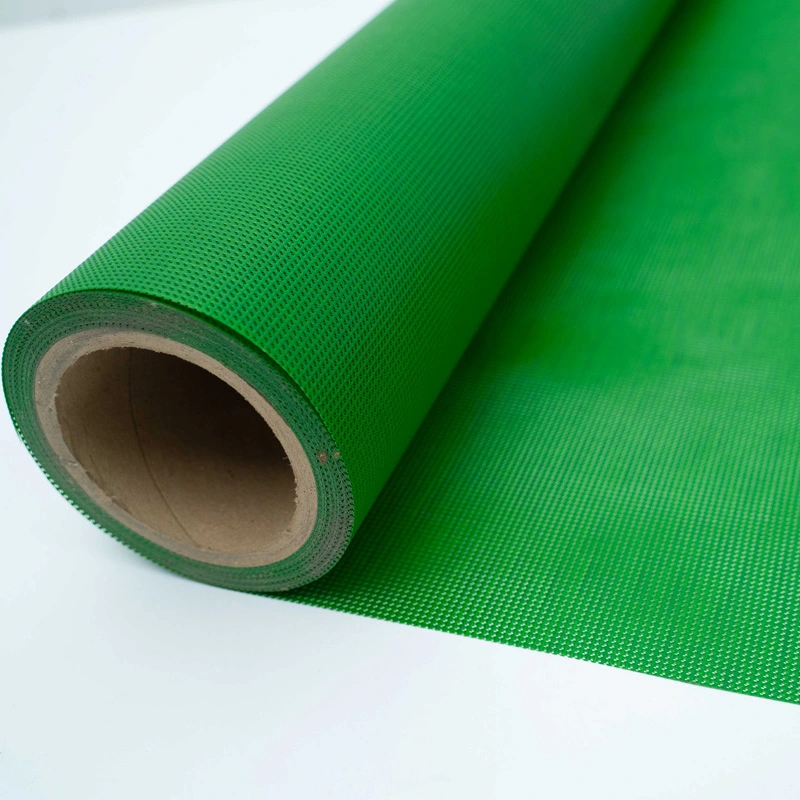
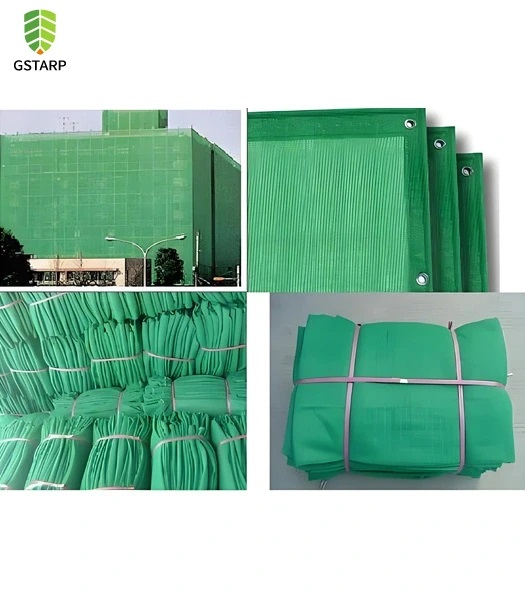
Additional materials include the fencing itself, often made of mesh or shade mesh fabric, and clips or ties for securing the panels to posts. Using durable posts made from materials such as aluminum or steel enhances the fence's longevity and effectiveness.
Safety Standards and Regulations
Compliance with safety standards and regulations is essential when installing a temporary pool fence. These guidelines are designed to protect individuals, especially children, from pool-related accidents. According to most local regulations, fences should be at least 4 feet high and must have latches that are inaccessible to small children.
Regulation | Description |
Height Requirement | Minimum of 4 feet to prevent children from climbing over. |
Gate Latch | Self-closing and self-latching gates are mandatory. |
Material Standards | Durability to withstand weather and environmental conditions. |
Visibility | Transparent enough to monitor pool activities. |
Spacing | Panels should have spacing no larger than 4 inches. |
Familiarize yourself with your local pool safety regulations to ensure the fence meets all necessary requirements. Utilizing safety fence features in compliance with the guidelines can prevent legal issues and enhance pool safety.
Common Mistakes to Avoid
While installing a temporary pool fence, several common mistakes can undermine its effectiveness. Being aware of these mistakes and taking steps to avoid them will lead to a successful installation and reliable safety measures.
Mistake | Consequence |
Incorrect Measurements | Misalignment and inadequate coverage, compromising safety. |
Unstable Posts | Fence may collapse, posing risks to safety. |
Improper Materials | Reduced durability and increased maintenance. |
Poor Gate Installation | Allows easy access for children, reducing effectiveness. |
Non-Compliant Design | Legal issues and increased liability. |
Ensuring accurate measurements, stable post installation, and utilizing appropriate materials like mesh banner printing for visibility can prevent these common pitfalls.
Removal and Storage Tips
One of the significant advantages of temporary pool fences is their easy removal and storage, making them ideal for seasonal use or modifications. Removing the fence requires caution to avoid damaging the materials for future use.
Action | Description |
Unfastening Panels | Carefully remove ties or clips securing panels to posts. |
Post Extraction | Gently pull posts from the ground or deck with proper tools. |
Cleaning | Clean panels and posts before storage to prevent degradation. |
Storage Location | Store fence materials in a dry, safe location. |
Regular Maintenance | Inspect materials periodically during storage to ensure condition. |
Proper removal and storage maintain the quality and readiness of your temporary pool safety fence for future use. Consider utilizing clear pvc tote bag or similar storage solutions to preserve components.
In conclusion, installing a temporary pool safety fence effectively enhances poolside safety. By following a detailed installation guide, using the correct tools and materials, adhering to safety standards, avoiding common mistakes, and employing proper removal and storage techniques, homeowners can secure their pool areas while enjoying the flexibility and convenience of temporary fencing solutions. Whether considering purchase options or looking to improve current safety installations, understanding these comprehensive procedures ensures peace of mind and safety in and around the pool area.

 English
  français
  Español
  العربية
  português
  русский
  日本語
日本語  한국어
한국어  italiano
  Deutsch
  Türkçe