Client Background
A large Australian farming property covering 4,800 hectares, specialising in broiler chicken production with an annual output of 100 million chickens. The farm is located in a dry, lowrainfall region with uneven natural water distribution. Seasonal water shortages had long troubled normal operations. As the farm expanded (100 million chickens require huge volumes of clean drinking water every day), small ponds and steel tanks could no longer meet the demand for drinking water and land irrigation. The client decided to build a centralised water supply system covering the entire farm.
Client Challenges
1. Water scarcity and uneven distribution – The 4,800ha farm has natural water sources concentrated in a few areas. Most chicken sheds were more than 5km from water sources, making traditional water supply inefficient and costly.
2. Insufficient storage – Traditional ponds lose a lot of water to evaporation and often dry up in the dry season. Steel tanks are expensive, slow to install and cannot be relocated flexibly.
3. Complex water system planning – The client wanted to plan the water system simultaneously with the construction of farm buildings. Water tank positions and capacities had to be precisely determined based on topography, shed layout and bird population.
4. Longterm reliability – The system must meet the farm‘s needs for the next 20 years. The tanks must resist UV, ageing and puncture, withstanding Australia’s intense sun and extreme climate.
5. Government and environmental scrutiny – The large scale of the project involved water use and environmental protection, requiring compliance with agricultural water regulations and acceptance by authorities and the community.
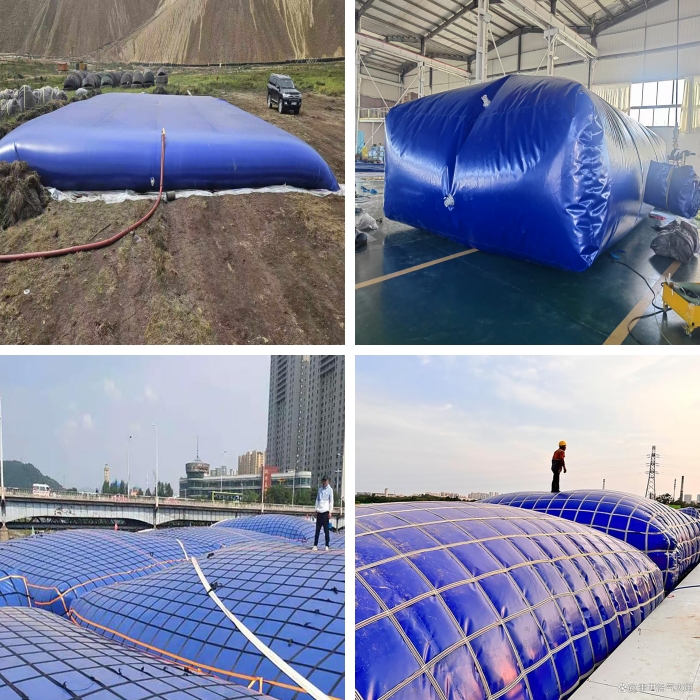
Our Solution
From initial contact to full commissioning, the project took one and a half years. We were involved in every step – planning, design, production and installation guidance – ultimately creating a benchmark water supply system for Australian farms.
Phase 1: Project planning and tank layout
The client provided a detailed farm design plan, including building locations, chicken shed zones, feed storage areas and road alignments. After repeated discussions with the client‘s technical team, we determined the following solution:
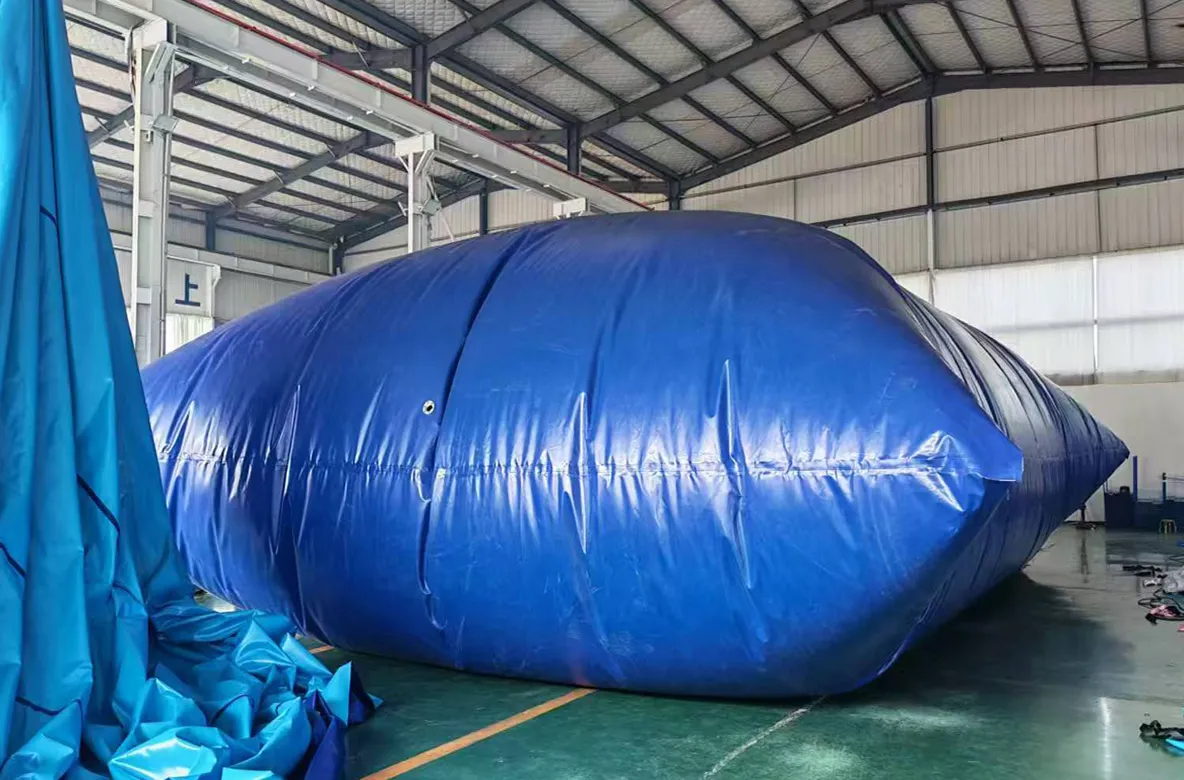
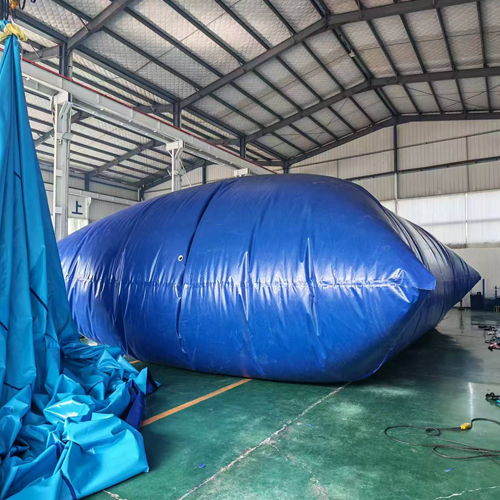
Total number of water tanks: 160 units, covering all water consumption points across the farm.
Tank specifications:
60 units of 1,000 m³ large tanks, placed at main supply nodes and concentrated rearing areas (to handle peak drinking water demand for 100 million chickens)
60 units of 500 m³ medium tanks, distributed across individual shed zones
40 units of other sizes auxiliary tanks for water transfer and emergency reserve
Tank positioning: Each tank position was precisely calculated based on the farm plan to ensure that no chicken shed was more than 1.5 km from the nearest tank – significantly shortening pipe runs and maintaining stable water pressure.
Phase 2: Factory visit and technical validation
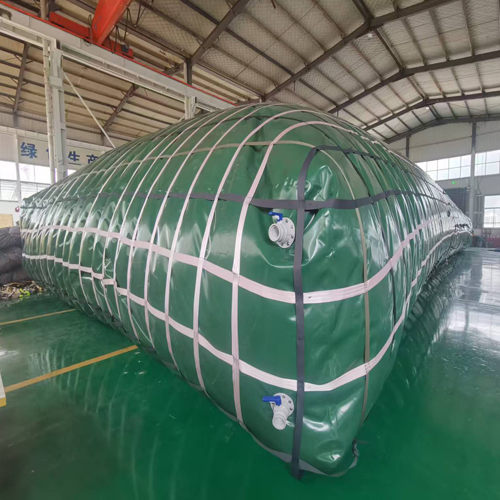
During the design phase, the client travelled to China to visit our factory. When they walked into our 80,000 m² finished goods workshop and saw the large‑scale, standardised water tank production lines, strict quality control processes and ample raw material inventory, they said on the spot: “We have found a partner with real capability and quality assurance.”
Following that, the client‘s technical team spent three days with our engineering department discussing the water system design. The final technical specifications for the tanks were confirmed:
Material: High‑strength polyester scrim PVC fabric, 1000–1200 g/m², excellent tear and puncture resistance
UV stabilisers added to withstand Australian sunlight – design life over 10 years
Reinforced bottom pad to prevent punctures from sharp stones on the ground
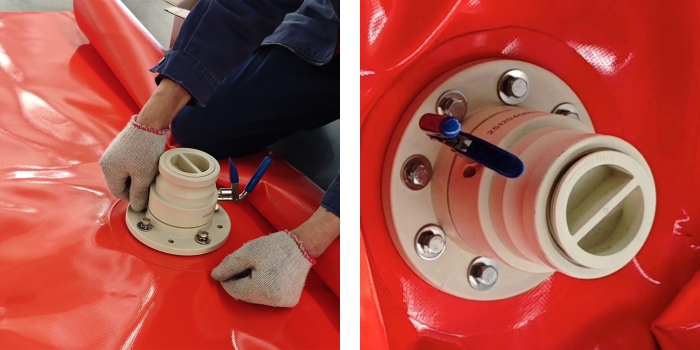
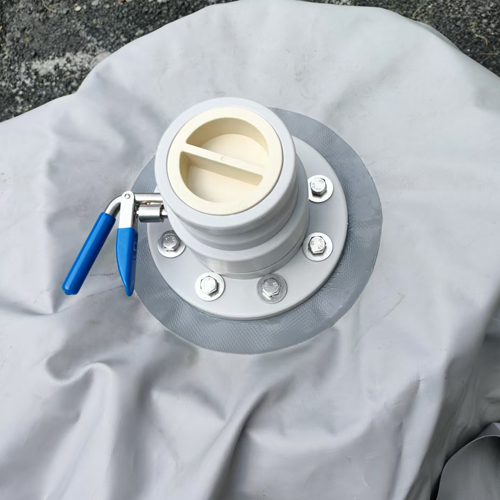
Leak‑proof flange design at inlet/outlet to ensure no leakage over long‑term use
Dust cover included for each tank to prevent leaves and dust from falling in, keeping drinking water clean
Phase 3: Production, delivery and installation guidance
The 160 water tanks were produced and delivered in three batches. Total storage capacity exceeded 90,000 m³ (60×1,000 + 60×500 = 90,000 m³, plus auxiliary tanks). We provided detailed installation manuals and videos. With the cooperation of a local construction crew, the client completed positioning, laying and pipe connection of all tanks according to the farm plan.
The entire water system was perfectly integrated with the chicken sheds, feed silos and roads, forming a fully automatic supply network from water well → main pipeline → zone tanks → automatic drinking lines.
Project Results
Water coverage: All chicken sheds across the 4,800ha farm now have a stable water supply – each shed receives sufficient, clean drinking water.
Storage capacity: Total storage of over 90,000 m³ can meet the drinking water needs of 100 million chickens for three consecutive months under extreme drought conditions.
Farming efficiency: Thanks to stable water supply and guaranteed water quality, chicken survival rates and growth rates have improved significantly, steadily achieving the target of 100 million birds per year.
Benchmark effect: The project has become a benchmark case for agricultural water systems in the region, attracting attention from neighbouring farmers and government agricultural departments.
Government & media attention: The local Department of Agriculture and the Environmental Protection Agency visited the site and praised the system as a replicable solution for large‑scale farming in dry areas. Several agricultural magazines and regional newspapers published feature stories, calling it a “model of modern farm water management.”
Client Testimonial (excerpt)
> “We raise 100 million chickens every year – water is the lifeline. Before visiting your 80,000 m² workshop, we looked at many suppliers around the world. Your scale, quality control and professionalism convinced us we had found the right partner. From every tank position on the plan to every detail of on‑site installation, you made this huge water system a reality. Now our chicken sheds never run short of water. This project has become a showcase in our local farming community.”
— Farm Owner, Australia

 English
  français
  Español
  العربية
  português
  русский
  日本語
日本語  한국어
한국어  italiano
  Deutsch
  Türkçe