Client Background
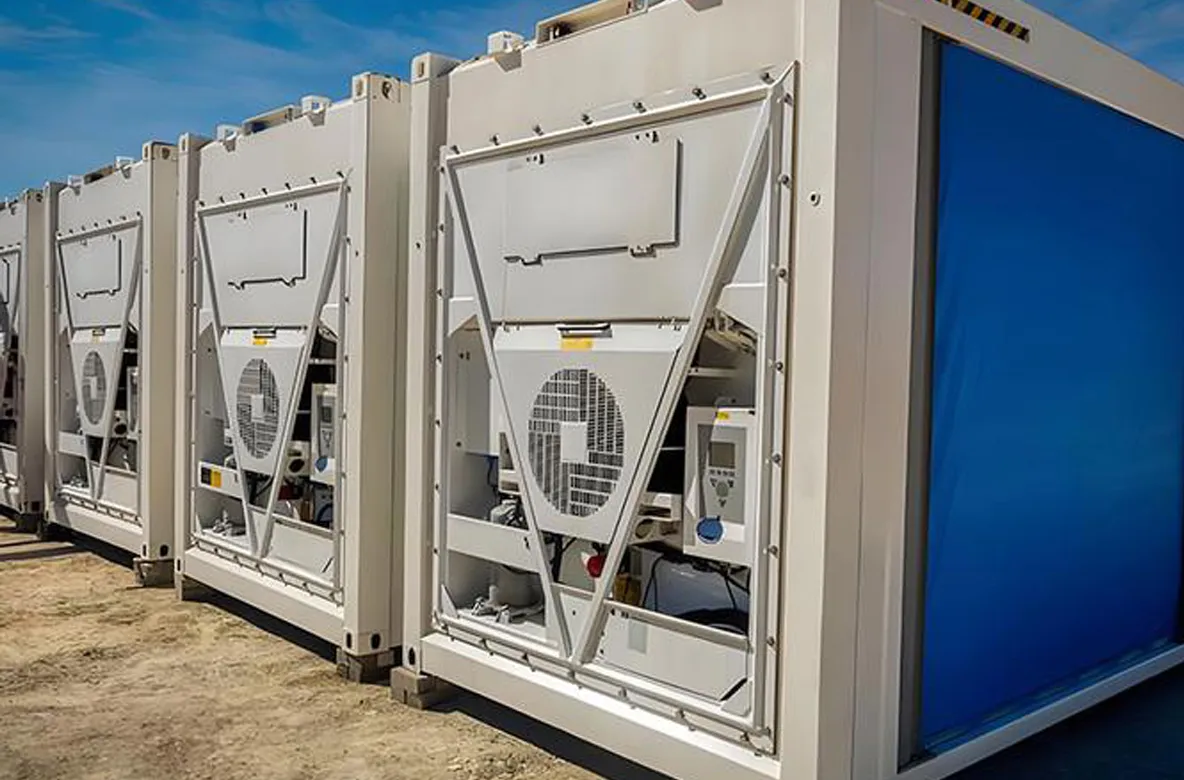
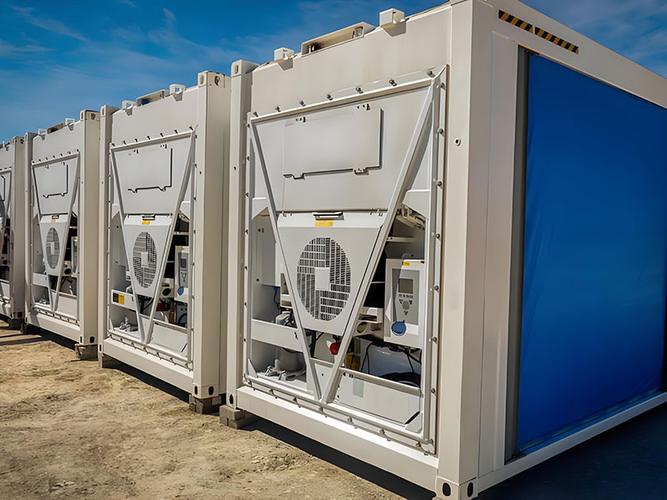
A major European cold chain logistics company operates a cross‑border refrigerated container network covering Germany, France, the Netherlands, Poland and other countries, specialising in temperature‑sensitive food and pharmaceutical shipments. The company owns a large fleet of 40ft reefer containers and requires external protective covers for these containers during transport to withstand Europe‘s variable climate – winter temperatures can drop below -30°C, while summer brings high heat and strong UV radiation.
The client’s key requirements were: the cover material must be TPU, with heavy‑duty performance and reusability. In addition, the cover must be **food‑grade certified**, ensuring that even if the cover accidentally contacts the cargo, there is no contamination risk. The client had previously used PVC covers, but at low temperatures the PVC became hard, cracked and even brittle – severely affecting the stability of cold chain operations and cargo safety.
Client Pain Points
1. Low‑temperature embrittlement – PVC covers became noticeably hard and lost flexibility below -20°C. Repeated folding led to cracking and brittle failure, leaving containers unprotected during winter transport. In severe cases, PVC fragments could fall into the cargo, creating contamination risks.
2. Food‑grade safety – The client transports fresh food and pharmaceuticals, so material safety is critical. Plasticisers and other substances in PVC may leach out over time or under ageing. The client explicitly required materials that comply with European food contact standards.
3. Reusability – Cold chain operations require frequent installation and removal of covers. Each cover must withstand many voyages. The client expected a service life of at least 3 years and, at the end of life, recyclability – in line with increasingly strict EU environmental regulations.
4. Harsh European transit conditions – The client‘s routes include the Alps, Nordic cold zones and regions with variable weather in Eastern Europe. Covers must resist strong wind, rain, snow and UV exposure.
Our Solution
From initial contact to mass production, we went through six months of technical discussions and multiple rounds of sampling and testing. Based on the client’s clear requirement for TPU and their specific cold chain scenarios, we developed a complete heavy‑duty TPU reefer container cover solution:
1. High‑performance TPU‑coated fabric
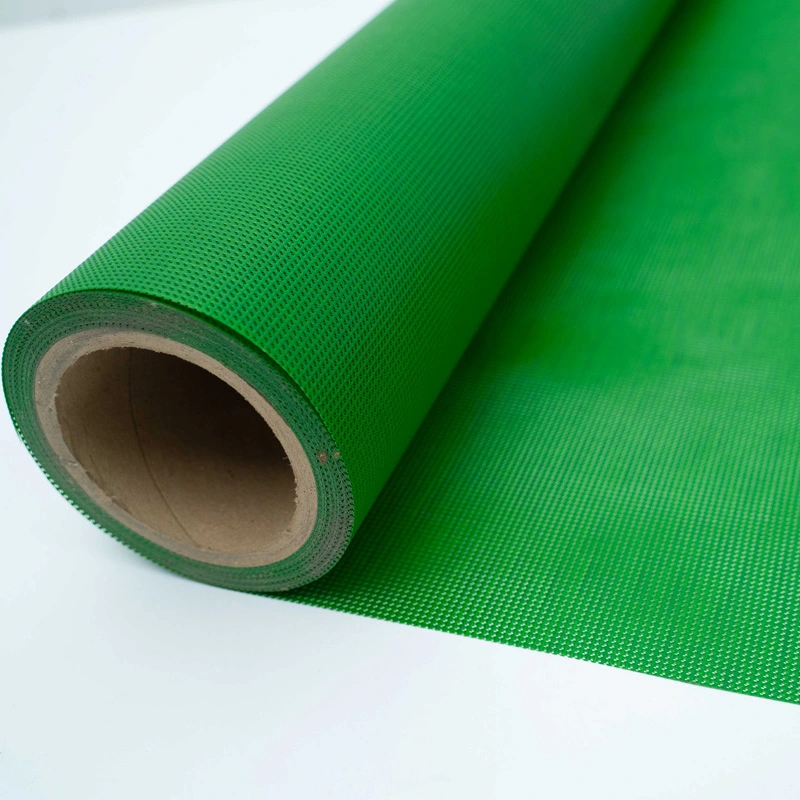
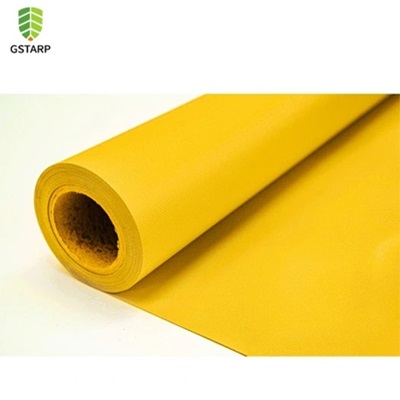
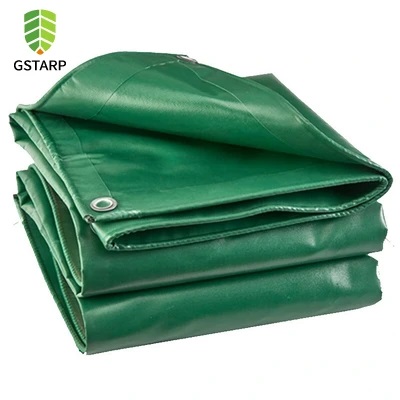
We recommended and supplied a heavy‑duty tarpaulin based on thermoplastic polyurethane (TPU). TPU is an advanced elastomer that, unlike PVC, contains no plasticisers or heavy metals – making it inherently more environmentally friendly and safer. The material has excellent low‑temperature performance, remaining flexible and elastic down to **-40°C**, completely solving the hardening and cracking problems of PVC in winter.
2. Food‑grade safety certifications
Our TPU tarpaulin material has passed multiple international certifications, including **EU Directive 10/2011** on food contact materials, **FDA** standards, **REACH** and **RoHS** – free from phthalates and other restricted substances. Even after long‑term use and ageing, no harmful substances leach out, fully meeting the stringent safety requirements for food and pharmaceutical cold chain transport.
3. Heavy‑duty design for high‑frequency cold chain use
For the client‘s frequent installation/removal cycles, we used a high‑strength polyester base fabric with double‑sided TPU coating. The fabric weight is 900–1100 g/m², with tear strength and tensile strength far exceeding ordinary tarpaulins. TPU also offers excellent abrasion resistance and hydrolysis resistance, maintaining performance through repeated folding, stretching and bundling. The design service life exceeds **3 years** or **200 reuse cycles**.
4. Recyclability and sustainability
TPU contains no plasticisers and is easier to recycle than PVC. After the service life ends, the client can send used covers to professional recyclers for mechanical or chemical recycling, where the material can be reintroduced into production. This aligns with the circular economy principles promoted by leading material companies – TPU truck tarpaulins can be used not only as protective covers but also recycled into new products, achieving a true cradle‑to‑cradle cycle.
5. Custom design and compliance with European standards
Based on the client’s 40ft reefer container dimensions and the position of the refrigeration unit, we precisely cut and welded the fabric, leaving openings for the refrigeration unit to ensure proper air flow and cooling efficiency. The product also complies with **EN 12641-1** (minimum requirements for tarpaulins for swap bodies and commercial vehicles), ensuring legal compliance for cross‑border transport within the EU.
Project Results
- Total delivered:The client has placed stable repeat orders, with cumulative deliveries exceeding **3,000** TPU reefer container covers.
- Service life verified: The first batch of covers, after two years of continuous use, was tested by the client and still showed excellent flexibility and waterproof performance – no cracking or ageing signs, meeting the design life target.
- Low‑temperature performance verified: During the 2023 European winter cold spell, the covers withstood extreme lows of -35°C with no embrittlement or cracking. On‑site client feedback was very positive.
- Cooperation status: The client has adopted this solution as the **standard specification** for their reefer container fleet and signed a long‑term supply agreement. In addition, the client has recommended the same TPU solution to two other logistics companies within their European cold chain alliance, creating strong word‑of‑mouth in the industry.
Client Testimonial (excerpt)
> “With PVC covers, we had to deal with cracking and replacement every winter – high cost and unsafe. Your TPU solution has completely solved the problem. At -35°C it remains soft and flexible. The food‑grade certification gives us full confidence when handling fresh food and pharmaceuticals. And the recyclability fits perfectly with our ESG strategy. This is one of the best decisions we have made for our cold chain equipment.”
— Procurement Director, European Cold Chain Logistics Company
Why Choose Our TPU Cold Chain Solution?
1. Extreme cold adaptability – TPU remains stable from -40°C to +80°C with no low‑temperature embrittlement.
2. Food‑grade safety – Certified to EU 10/2011, FDA, REACH, etc. – no plasticisers or harmful substances.
3. Reusable – Designed for >3 years or 200 cycles, significantly reducing long‑term operating costs.
4. Recyclable & sustainable – Easy to recycle, supporting circular economy and EU sustainability requirements.
5. Customisation capability – Precision cut and welded to fit specific reefer dimensions and refrigeration unit positions.
6. European standard compliance – Meets EN 12641-1, ensuring legal compliance for cross‑border transport.

 English
  français
  Español
  العربية
  português
  русский
  日本語
日本語  한국어
한국어  italiano
  Deutsch
  Türkçe