A PVC privacy fence can significantly enhance your garden aesthetic, but when it comes to vegetable gardens, vegetable garden shade cloth plays a crucial role in protecting those plants from excessive sun exposure. Whether you're a gardening enthusiast or a novice, understanding how to use sunshade fabric effectively is essential. This guide on using shade cloth for vegetables offers insights into selecting the right percentage of shade, proper installation techniques, and seasonal usage tips for optimal crop growth. Whether you're considering a temporary setup with a removable pool safety fence to protect more than just your water space, or a more permanent sun protection solution, this article aims to provide comprehensive guidance and actionable steps you can follow. Let's dive into the importance of using vegetable garden shade cloth and how it can dramatically improve your gardening results.
Percentage Selection
Choosing the right percentage shade is critical when considering a vegetable garden shade cloth for your garden. The percentage of shade indicates how much sunlight the cloth blocks. Various vegetables require different levels of sunlight, and selecting the appropriate shade percentage can be the difference between a thriving garden and a struggling one.
Vegetable | Recommended Shade Percentage |
Lettuce | 30% - 50% |
Tomatoes | 30% - 40% |
Spinach | 30% - 60% |
Carrots | 20% - 40% |
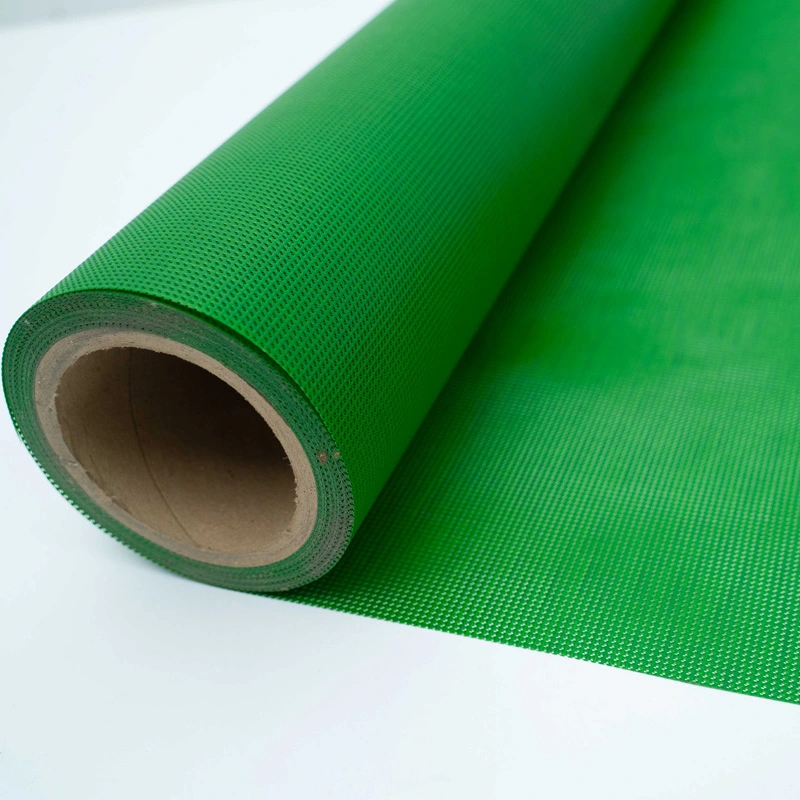
For example, vegetable garden shade cloth with a 30% shade can benefit lettuces that require a balance between sunlight exposure and heat protection. Conversely, plants sensitive to light, like spinach, might require a higher shade percentage, like 60%, to protect them from scorching summer sun. When selecting shade cloth fabric, consider factors such as color, as darker sunshade fabric offers more sun blockage than lighter varieties.
Installation for Gardens
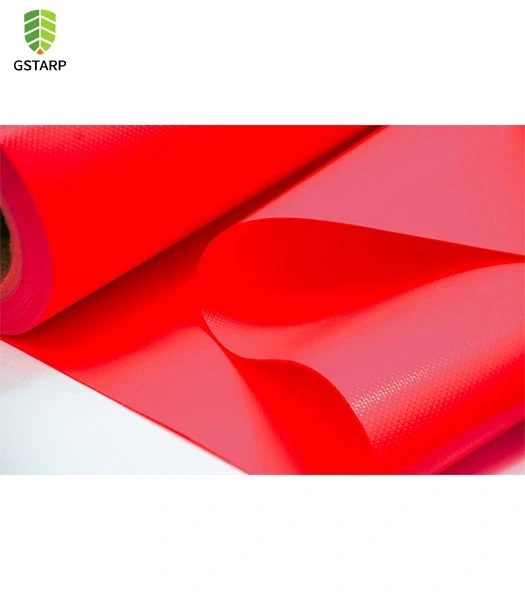
Installing vegetable garden shade cloth can be done in a few different ways depending on your setup and permanence requirements. Here are common methods for installing sunshade fabric with grommets in a vegetable garden:
Fixed Structures: For gardens with fixed posts, you can directly attach the vegetable garden shade cloth using grommets. Materials like safety fence posts provide a sturdy frame, ensuring stability in high winds.
Freestanding Frames: Using structures like PVC room dividers or portable pool safety fences offers a flexible and adjustable solution. This method is ideal if you have varying plant heights or need mobility.
Row Covers: For row-based layouts, row covers made from PVC pipes can be laid over crops and anchored with weights to protect them from harsh sunlight.
When installing vegetable garden shade cloth, always ensure it can be adjusted or removed for changing weather conditions. Fasteners that are easy to undo will keep your setup flexible and manageable for seasonal adjustments.
Benefits for Crops
Using vegetable garden shade cloth provides multiple benefits that directly impact the growth and health of your vegetables:
Protection from Sunburn: Intense sunlight can stunt growth and cause discolored or low-quality yields.
Temperature Regulation: Vegetable garden shade cloth helps maintain cooler soil and ambient temperatures during heatwaves.
Water Conservation: Reduces evaporation rates, helping retain soil moisture and minimizing watering needs.
Pest Control: Denser sunshade fabric can protect against certain insects, reducing reliance on chemical pesticides.
Additionally, using a custom pool cover in nearby water sources ensures clean water, which supports healthier crops and prevents waterborne diseases.
Seasonal Use
Vegetable garden shade cloth isn't limited to summer protection. Different seasons require different approaches:
Spring: Use a 30% shade to protect seedlings from light frost during transitional months.
Summer: Higher shade percentages, like 50% or more, help crops cope with intense solar radiation.
Autumn/Winter: Shade cloth may not be necessary in cooler months unless your climate is warm. Retractable setups, like a retractable pool safety fence, allow maximum sunlight for photosynthesis during short daylight hours.
Understanding seasonal adjustments for vegetable garden shade cloth ensures healthier growth year-round.
Removal
Proper planning for removal and storage of vegetable garden shade cloth is essential for longevity:
Ensure the cloth is clean and dry before storage to prevent mold.
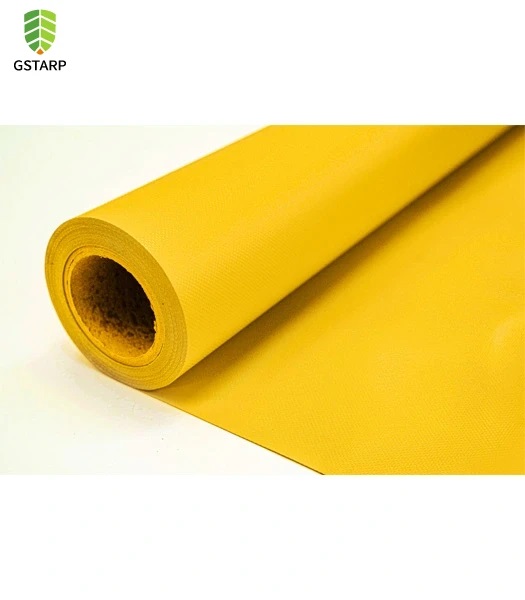
Store in a cool, dry place, ideally rolled to avoid creases that weaken material integrity.
Label rolls according to shade percentage and usage area for easy reapplication.
Proper management extends the life of vegetable garden shade cloth and reflects sustainable gardening practices.
Conclusion
Using vegetable garden shade cloth effectively can transform the health and yield of your vegetable garden, providing sun protection, temperature regulation, and many other benefits. From selecting the right shade percentage to understanding installation techniques and seasonal usage, there's a lot to consider. Incorporating vegetable garden shade cloth into your gardening practices helps cultivate healthier plants while enhancing your overall gardening experience. Whether for DIY projects or professional installations like those by pool safety fence installation experts, every choice impacts your garden outcome.
Harness the power of vegetable garden shade cloth wisely, and watch your vegetables flourish through every season's challenges, ensuring vibrant and abundant harvests year after year.

 English
  français
  Español
  العربية
  português
  русский
  日本語
日本語  한국어
한국어  italiano
  Deutsch
  Türkçe