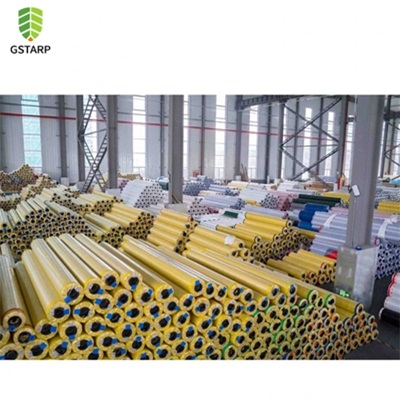
What Is a TPU Fuel Bladder Tank?
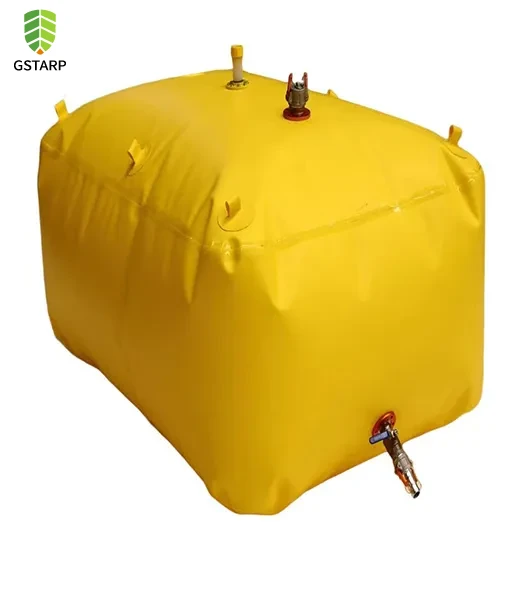
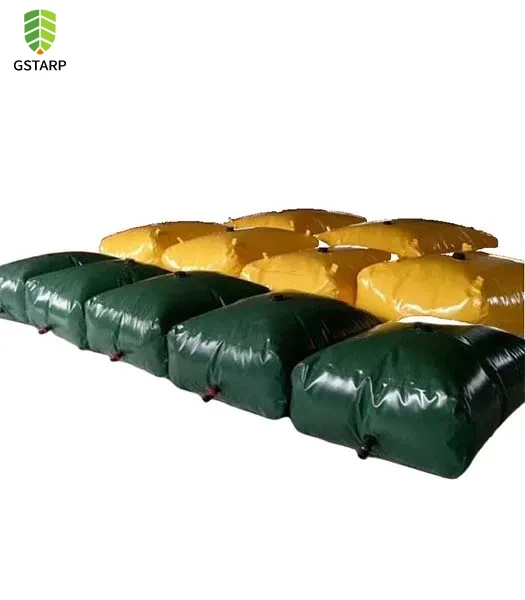
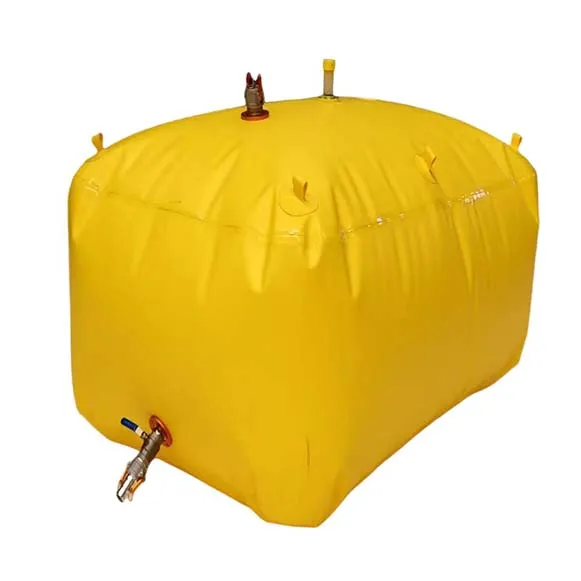
A TPU fuel bladder tank is a flexible, closed liquid container made from reinforced fabric with a thermoplastic polyurethane coating or laminate. The textile reinforcement carries tensile and handling loads, while the polymer surface provides the liquid-contact barrier and a weldable exterior for forming seams and attaching reinforced fitting zones.
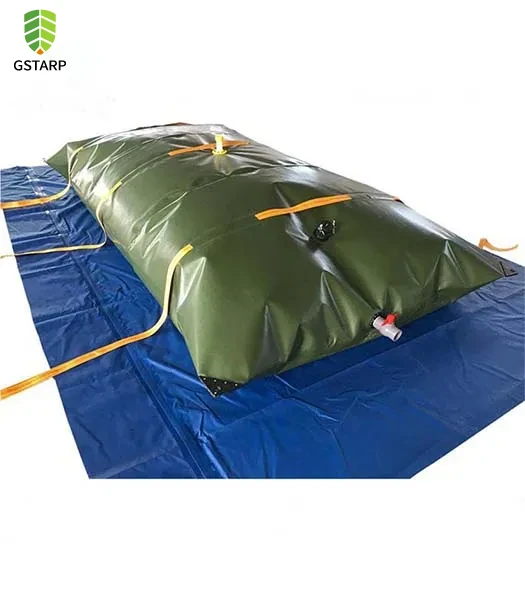
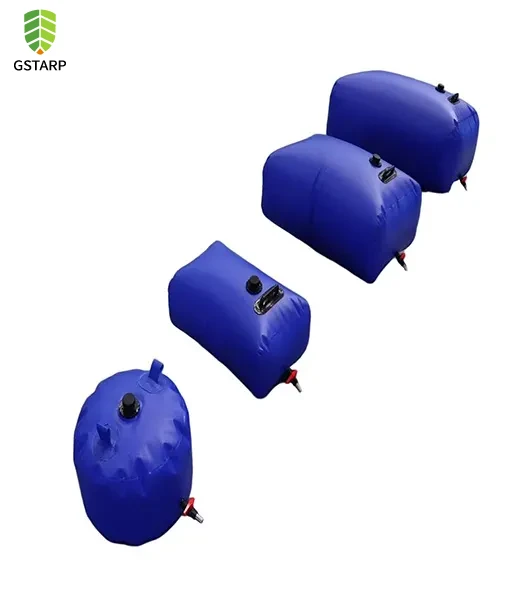
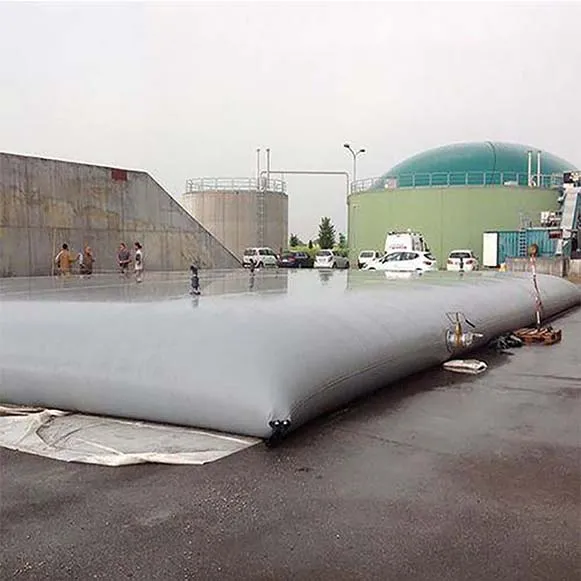
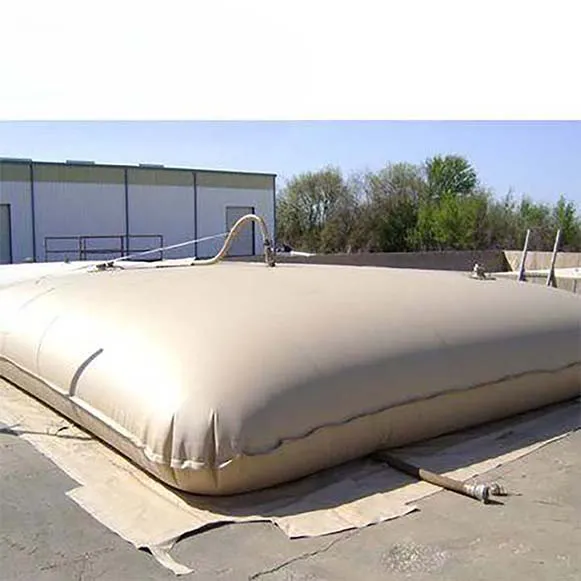
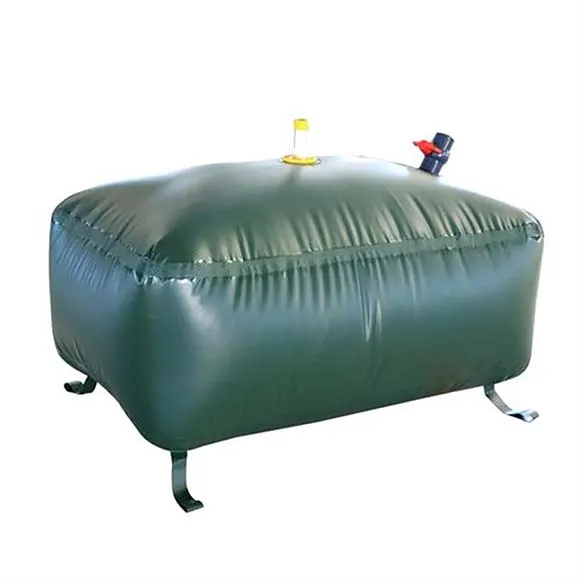
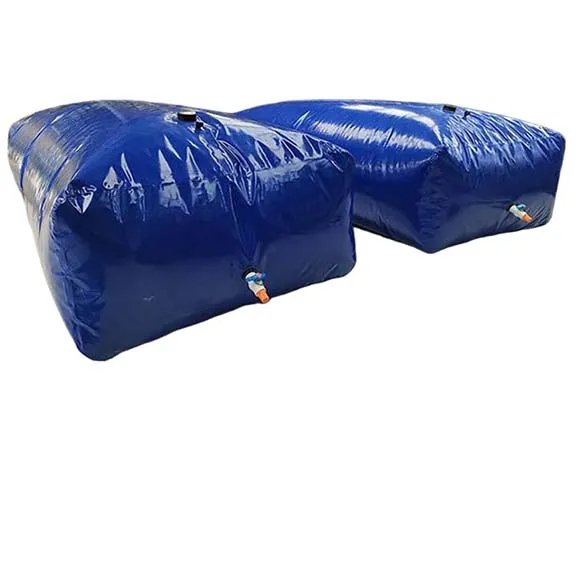
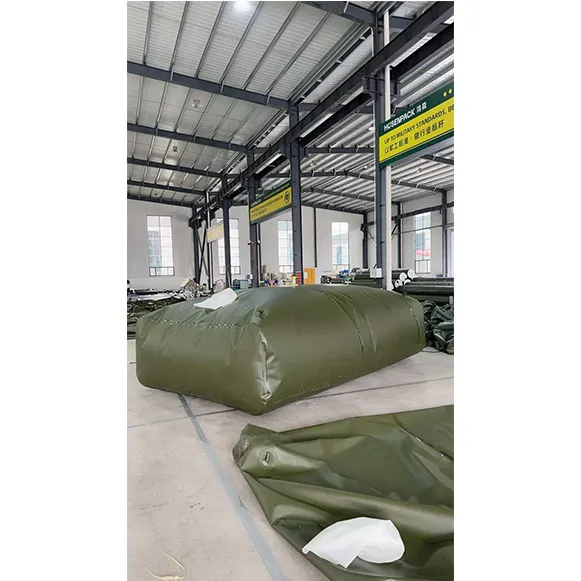
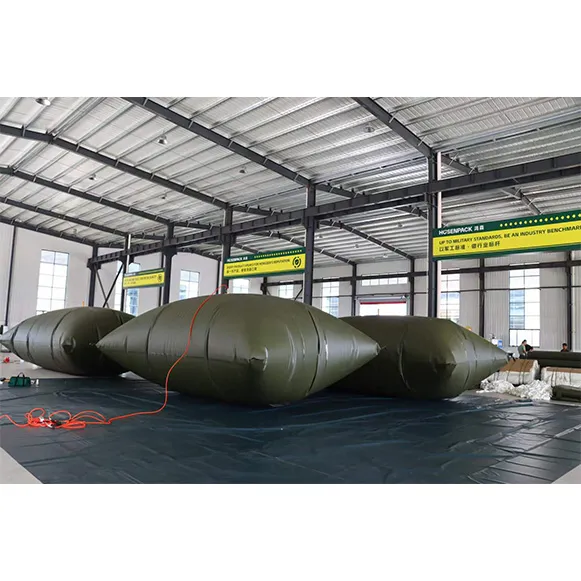
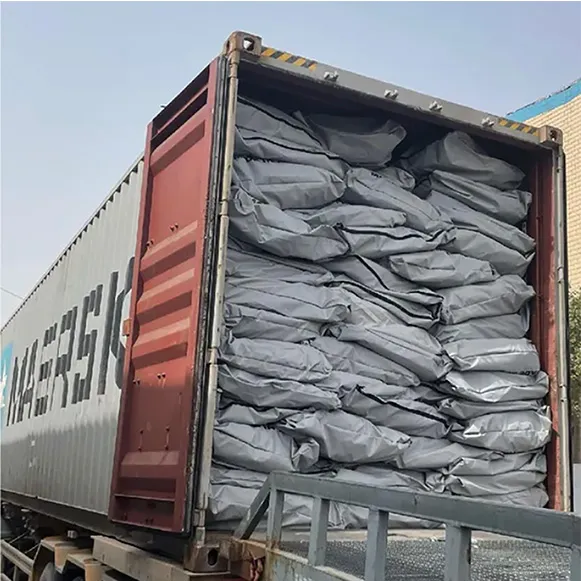
When empty, the bladder can be folded for storage and transport. During use, it expands as liquid is introduced and forms a low-profile pillow shape. The filled geometry depends on nominal capacity, base dimensions, fabric behavior and operating fill level.
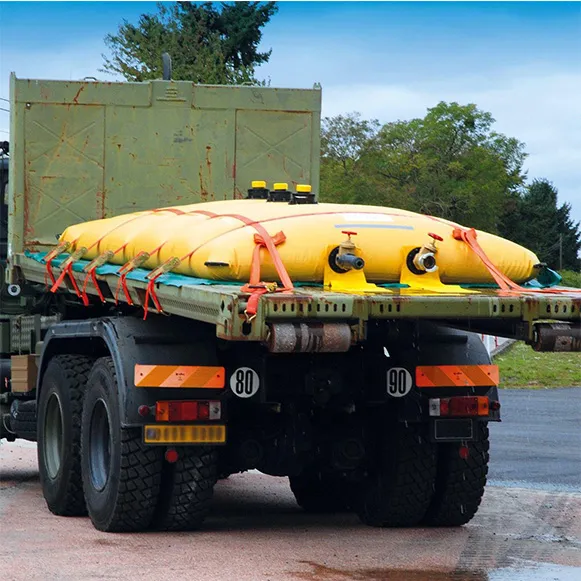
The term fuel bladder is used broadly in the market. It can refer to ground-storage bladders, marine auxiliary fuel tanks, vehicle or motorcycle fuel bags, aircraft fuel cells and military tactical systems. This page focuses on finished flexible bladders for professional ground, marine and industrial storage unless a different application is specifically engineered and confirmed.
TPU is not a single universal fuel-resistant material. Performance depends on the TPU formulation, coating structure, base fabric, adhesive or lamination system, weld quality, valves and seals. Diesel, petrol, aviation fuel, lubricants and transformer oils should not be treated as interchangeable.
Features of TPU Fuel Bladder Tank
Feature | Information |
Collapsible construction | Reduces empty return and storage volume compared with a rigid tank. |
TPU-coated reinforced fabric | Combines a flexible liquid barrier with textile reinforcement. |
Welded bladder body | Allows custom panel geometry and reinforced fitting zones. |
Custom capacity and dimensions | Supports restricted installation spaces and project layouts. |
Multiple fitting options | Can be configured for filling, discharge, venting, return lines and drainage. |
Portable deployment | Suitable for temporary or relocatable storage on prepared sites. |
Accessory system | Can be quoted with groundsheet, repair kit, hoses, couplings and containment berm. |
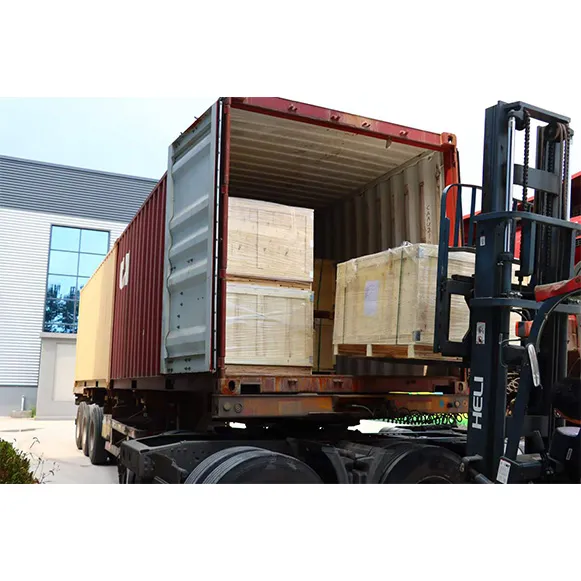
Export packing | Folded products can be packed for sea, air or courier shipment depending on size. |
TPU Fuel Bladder Specifications
Specification Item | Information |
Nominal capacity | From small portable sizes to large project tanks. |
Shape | Pillow, rectangular low-profile or custom geometry. |
Fabric structure | TPU-coated or laminated reinforced polyester/nylon direction. |
Thickness / mass | Project- and model-dependent. |
Color | Common industrial colors or custom color direction. |
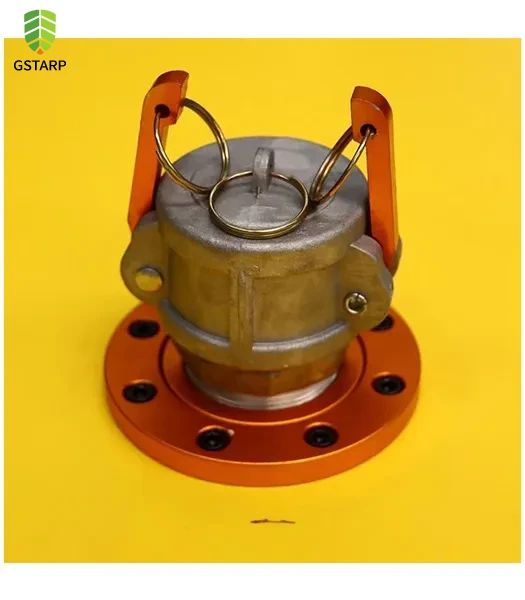
Inlet / outlet | Threaded, flanged, camlock or other project fittings. |
Vent / return connection | Optional according to the filling and supply system. |
Groundsheet | Optional or supplied as part of a system. |
Secondary containment | Portable spill berm or project-specific bund direction. |
Repair kit | Material patches and approved repair direction. |
Packing | Bag, carton, reinforced carton or wooden case direction. |
Documentation | TDS, inspection record, packing list and available reports. |
Specifications vary by liquid, capacity, fabric, fitting system, quantity and application. Final values are subject to the current product-specific drawing, technical data, compatibility review, approved sample and purchase contract.
Detailed Images of TPU Fuel Bladder Tank
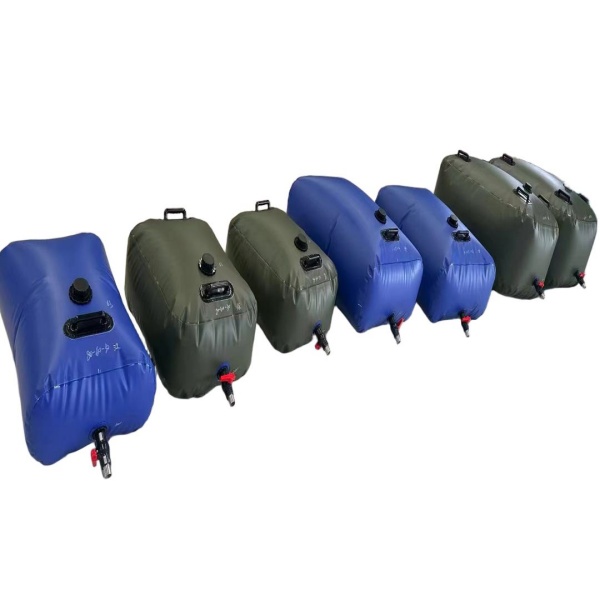
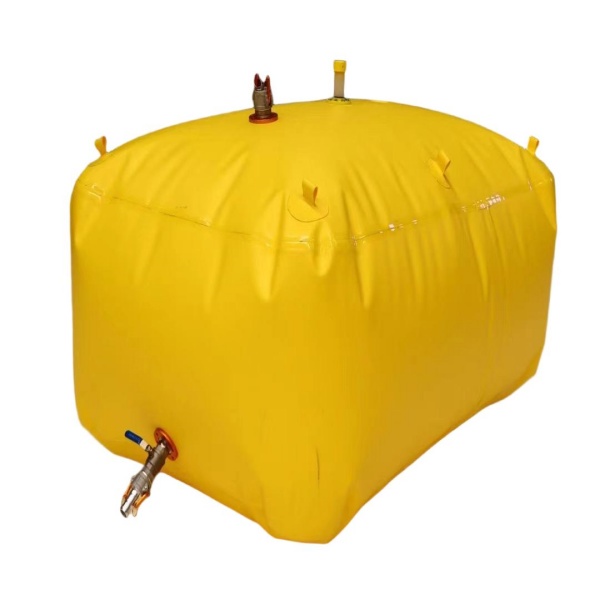
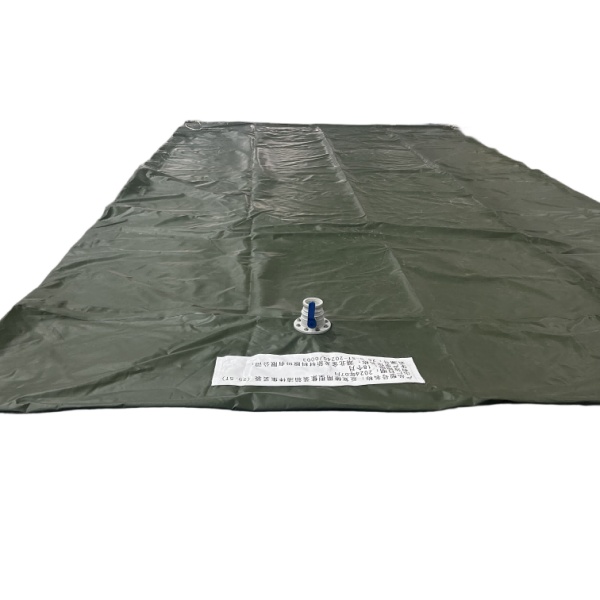
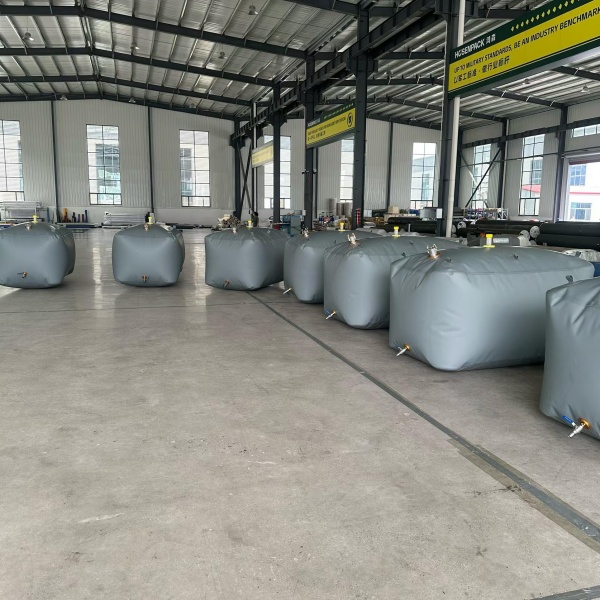
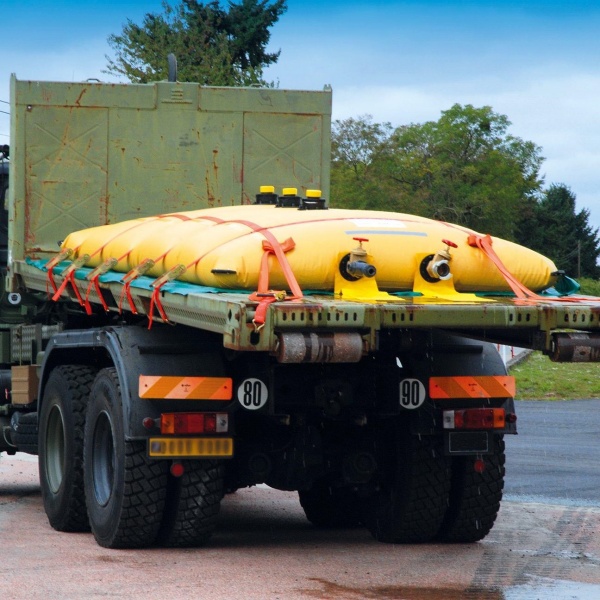
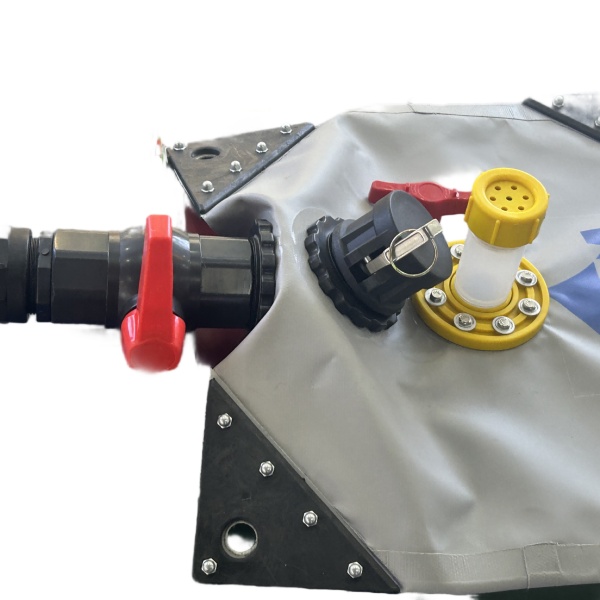
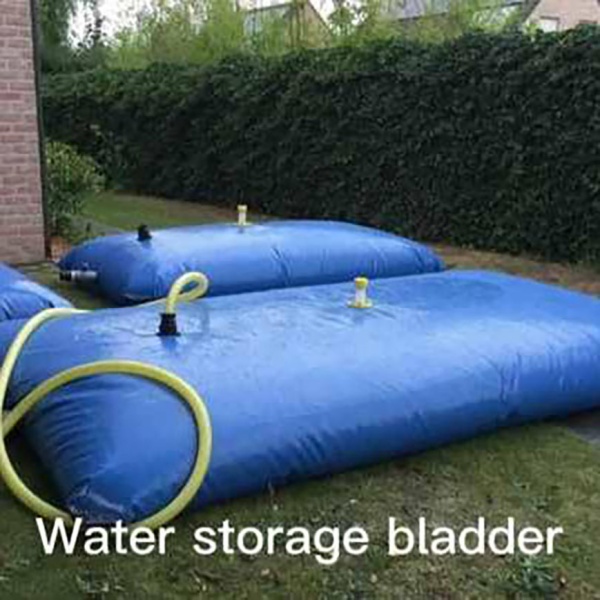
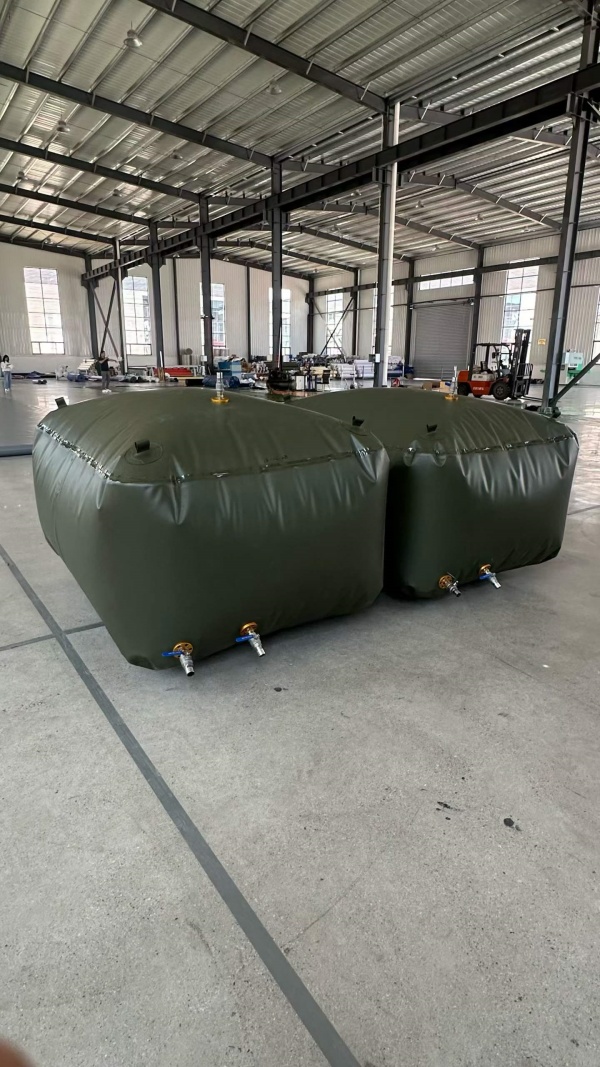
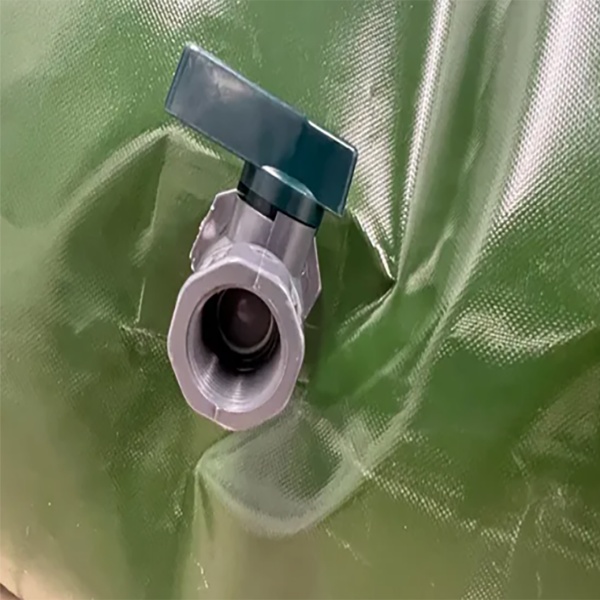
Fuel Bladder Construction
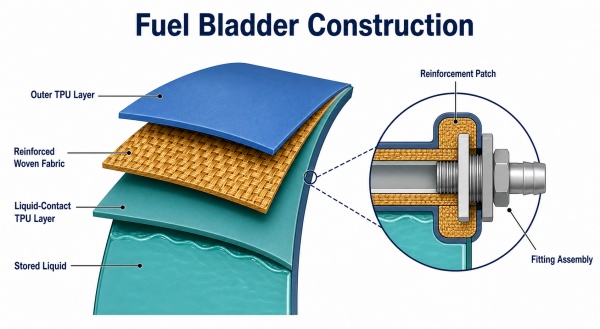
The bladder body is made from reinforced coated fabric panels joined by controlled welding. The reinforced textile provides strength and dimensional support. The inner polymer surface contacts the liquid, while the outer surface supports welding, handling and environmental protection according to the selected material.
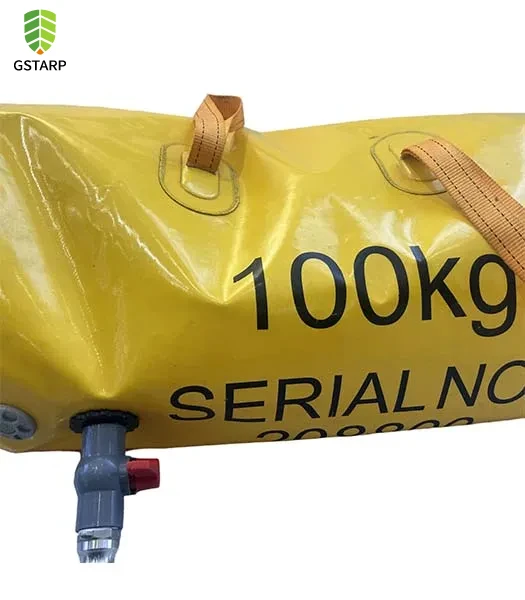
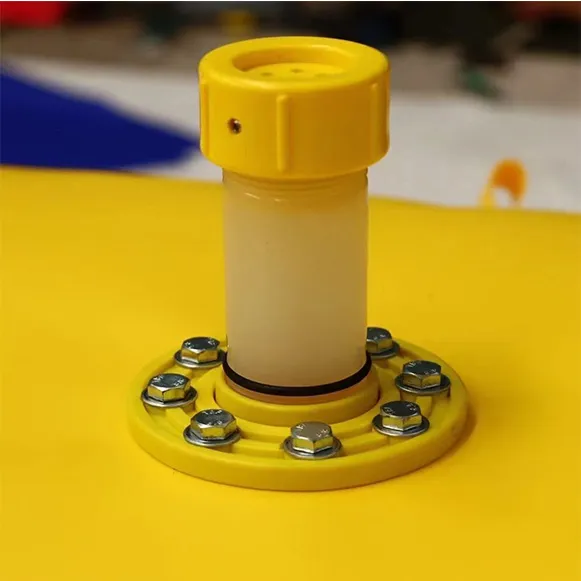
Fittings are installed in reinforced zones because loads concentrate around the inlet, outlet, vent and hose connections. Reinforcement size, fitting material, seal material and location should be matched to the intended hose loads, liquid and operating arrangement.
Production Process of TPU Fuel Bladder
Step | Production Activity | Information |
1 | Confirm liquid, use, capacity, dimensions, fittings and documents. | Technical review before quotation and drawing. |
2 | Select and inspect the approved coated fabric and fittings. | Batch identity, surface condition and compatibility direction. |
3 | Prepare drawing, panel layout and reinforcement details. | Capacity geometry, seam layout and fitting position. |
4 | Cut body panels and reinforcement patches. | Dimensional accuracy and clean edges. |
5 | Weld panels and fitting reinforcement zones. | Process parameters, overlap and seam consistency. |
6 | Install valves, flanges, vents and accessories. | Correct materials, orientation and sealing. |
7 | Complete visual, dimensional and leak/holding inspection. | Follow the confirmed inspection plan. |
8 | Dry, fold, label and pack the finished bladder. | Cleanliness, traceability and transport protection. |
Frequently Asked Questions
What is a fuel bladder?
A fuel bladder is a flexible closed container used for temporary or project-specific liquid storage. It is supplied empty and folded, then deployed on a prepared site and connected to the required filling, discharge and vent system.
Is TPU suitable for diesel fuel?
Selected TPU-coated reinforced fabrics can be considered for diesel applications. Suitability still depends on the exact diesel, additives, temperature, exposure time, seams, seals and fittings. Send the fuel information before ordering.
Can the same bladder store petrol and diesel?
Do not assume so. Petrol can create different permeation, swelling, seal and venting requirements. The material and complete product must be reviewed for the actual fuel.
Can you make a marine fuel bladder?
Marine configurations can be discussed for boats, yachts, workboats and unmanned vessels. Provide the fuel, available space, restraint method, fittings, venting and applicable requirements.
Can a ground-storage bladder be installed in a moving vehicle?
Not automatically. Dynamic loads, restraint, sloshing and regulatory requirements may require a different design. State mobile use at the enquiry stage.
What capacities are available?
Small portable, medium and large project sizes can be discussed. Request the current model list and filled dimensions; do not choose by nominal capacity alone.
Can you customize the dimensions?
Yes, custom footprint and fitting layouts can be reviewed. Provide the required capacity, maximum length/width/height and all connection positions.
What fittings can be supplied?
Inlet, outlet, vent, return, threaded, flanged and quick-coupling directions may be available. Final options depend on liquid, size and project requirements.
Does the bladder need a groundsheet?
A clean, smooth and protected support surface is important. A suitable groundsheet is commonly recommended to reduce abrasion and contamination risk.
Is secondary containment required?
Requirements depend on the liquid, capacity, site and local rules. Many professional fuel-storage applications use a spill berm or bund as part of the system.
How long can fuel remain in the bladder?
Storage duration is project-specific. It depends on compatibility, temperature, exposure, maintenance and the product design. Confirm the intended duration before purchase.
Can the bladder be repaired?
Some localized damage may be repairable using an approved procedure and compatible material. The bladder should be emptied, cleaned and assessed before repair; severe or fitting-zone damage may require factory review.
How should the bladder be stored when empty?
Drain and clean it according to the liquid and product instructions, allow it to dry as required, fold it correctly and store it in a clean, dry, protected location.
What tests are performed?
The inspection scope can include material review, visual and dimensional checks, seam controls and agreed finished-product leak or holding tests. Confirm the method and report before ordering.
Do you provide certificates?
Available documents depend on the selected product, material, order and current reports. Send the exact document or standard requirement before quotation.
What information is needed for a quote?
Provide the liquid/SDS, capacity, use mode, temperature, site dimensions, fittings, accessories, quantity, destination and required documents.
What affects the price?
Capacity, fabric, liquid compatibility, fittings, custom design, testing, accessories, quantity and packing all affect price.
What is the minimum order quantity?
MOQ depends on model, customization, material and packing. Request the current commercial quotation.
Video Content Plan
【视频】

 English
  français
  Español
  العربية
  português
  русский
  日本語
日本語  한국어
한국어  italiano
  Deutsch
  Türkçe