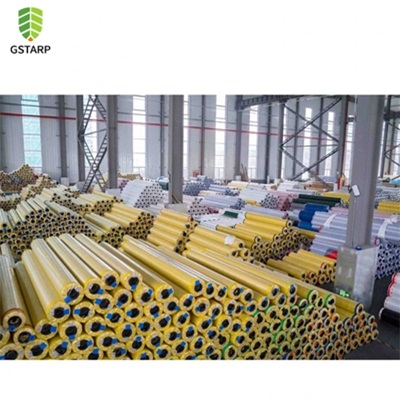
Introduction
Top Parameter | Information |
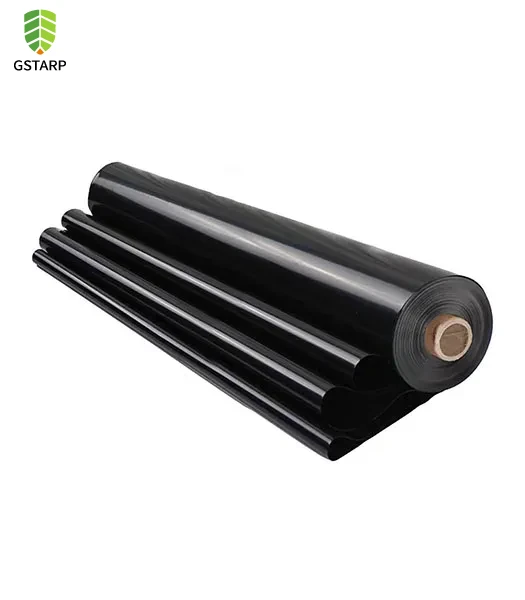
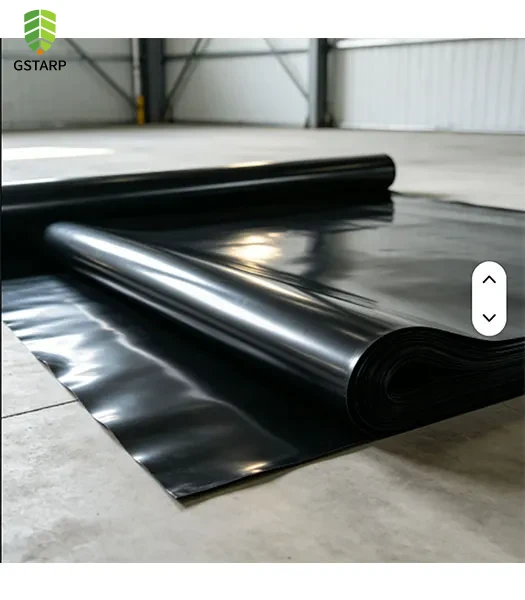
Product | HDPE geomembrane liner / high-density polyethylene liner supplied in rolls |
Material | Polyethylene-based geomembrane compound; exact resin and additive formulation subject to the product-specific TDS |
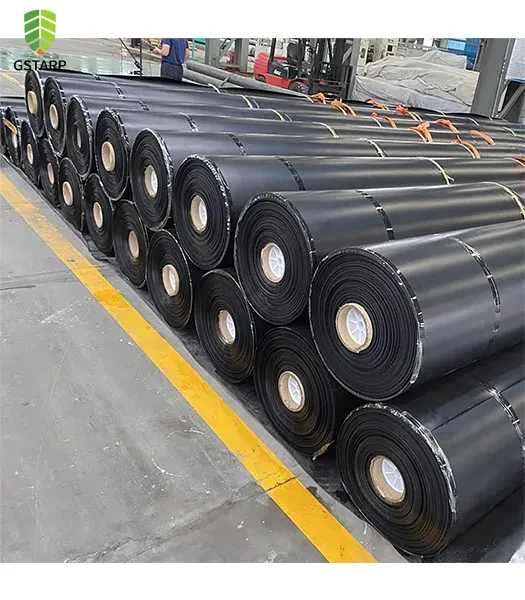
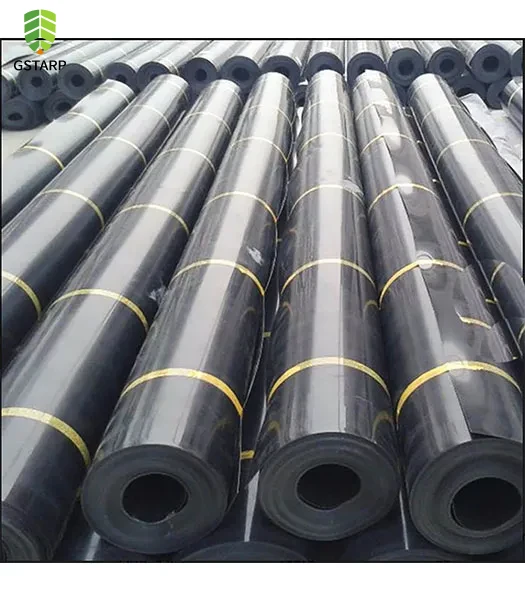
Supply Form | Bulk rolls for professional installation and field welding; not a prefabricated pond kit |
Surface | Smooth, single-textured or double-textured [List only verified factory options] |
Thickness | 0.3-3.0mm factory direction [Confirm the producible range for each surface and product family] |
Frequently Requested Grades | 1.0mm, 1.5mm / approximately 60 mil, and 2.0mm / approximately 80 mil |
Width | 2-8m factory direction; 5.9m and 8m are frequently supplied widths [Confirm effective finished width and tolerance] |
Roll Length | Confirmed by thickness, width, roll geometry and acceptable roll weight |
Related Systems | Composite geomembrane and geomembrane-geotextile protection systems [Confirm actual product range] |
Main Buyers | Importers, distributors, EPC contractors, installers, consultants, landfill operators, mining and water-project buyers |
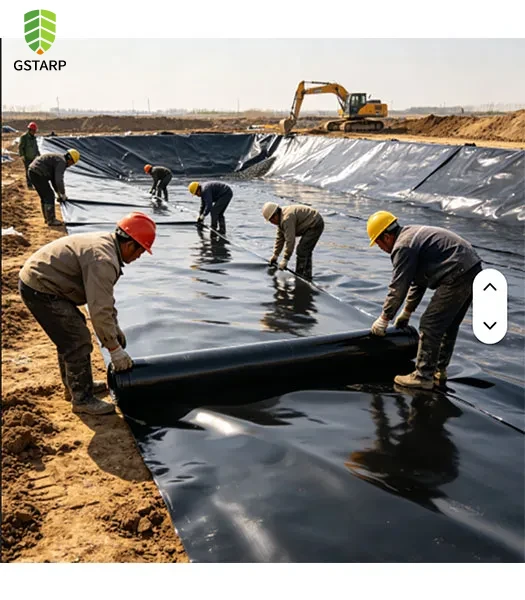
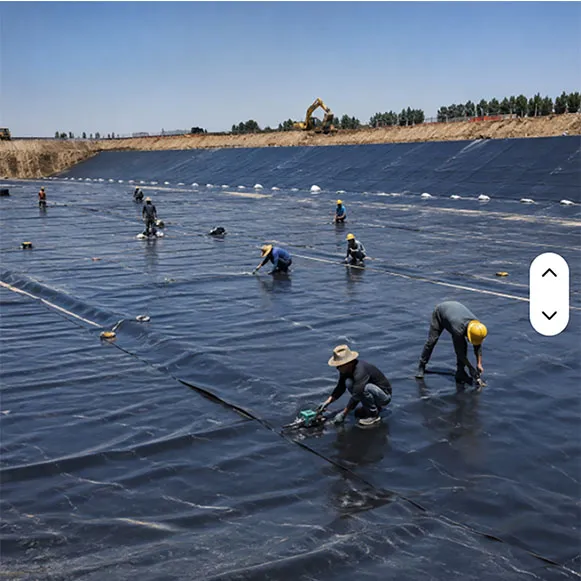
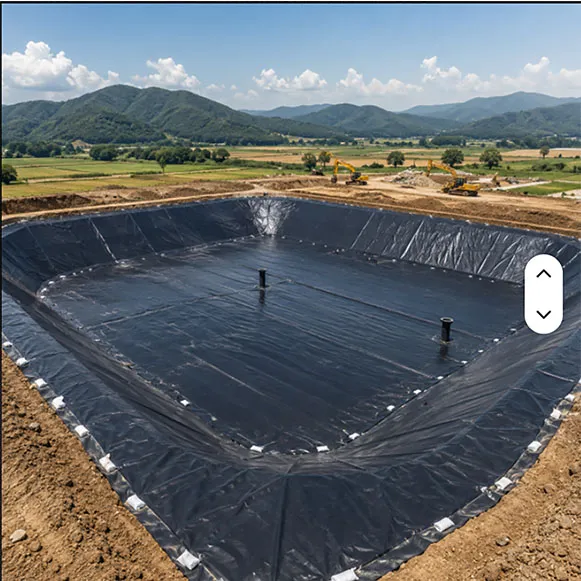
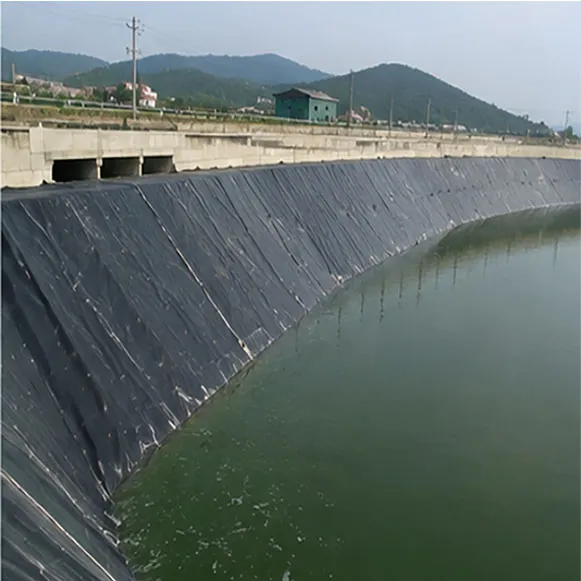
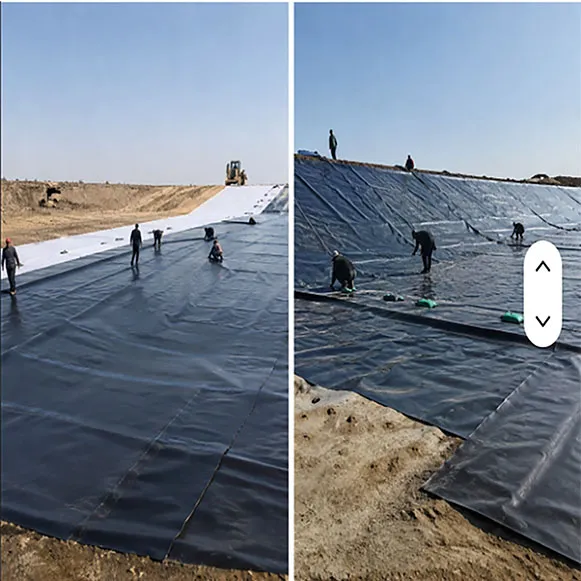
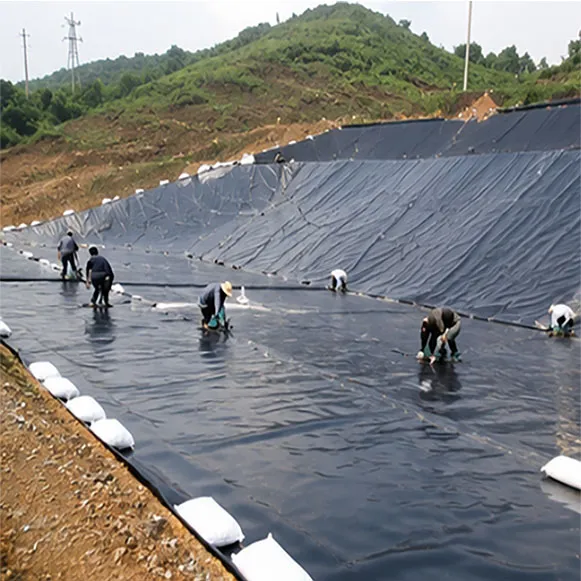
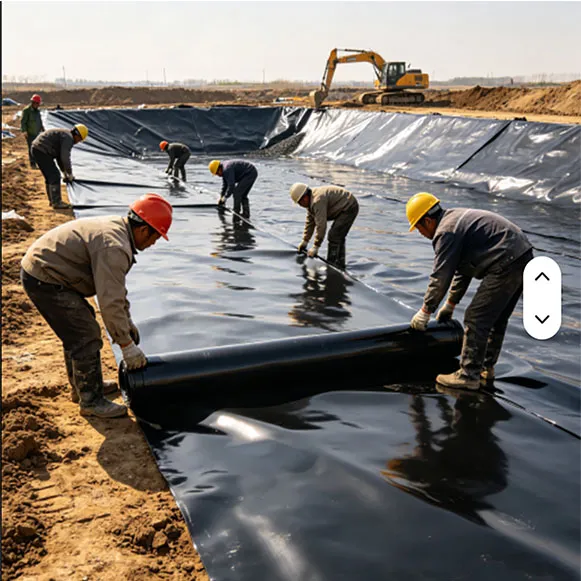
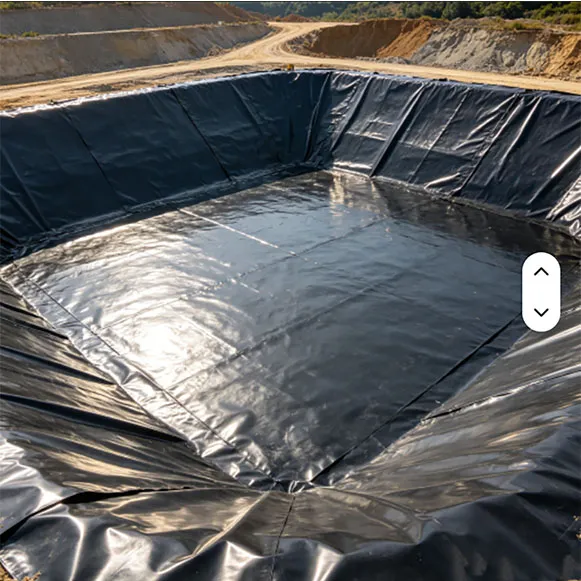
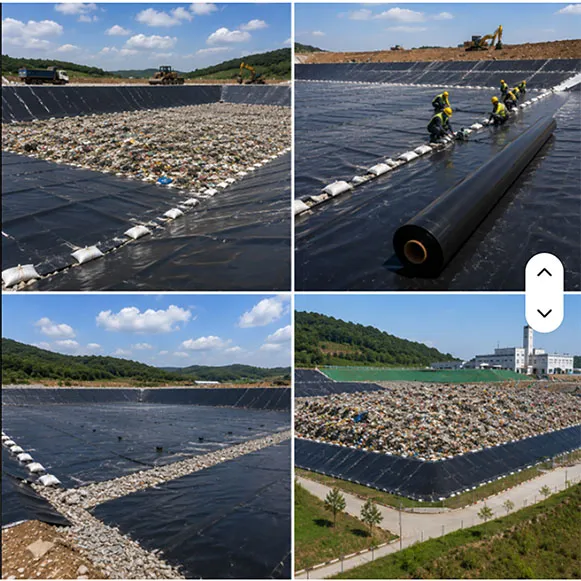
Main Applications | Landfill, pond, reservoir, canal, wastewater, mining, tailings, road, riverbed and secondary-containment projects |
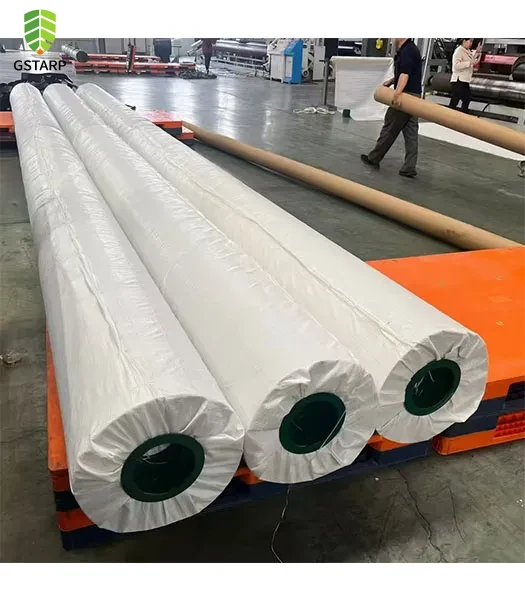
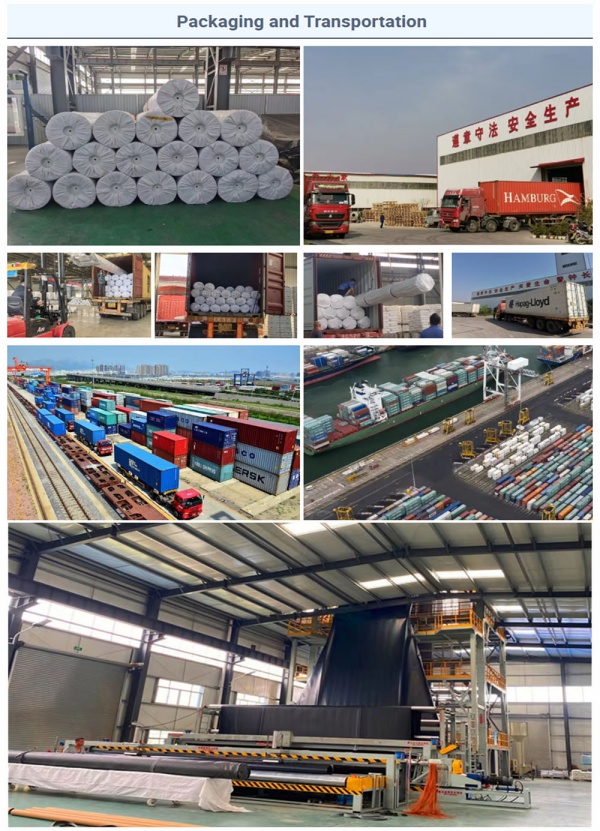
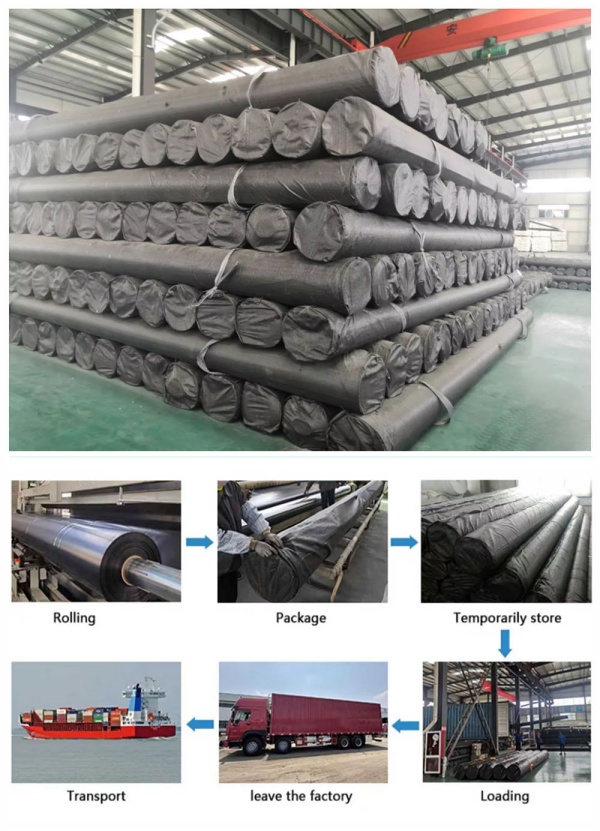
Packing | Protective roll wrapping and labels; woven outer packing may be available [Confirm by SKU and route] |
Lead Time | Normally confirmed against specification, quantity and production schedule; factory visit reference was 7-10 days |
Features of HDPE Geomembrane Liner
Feature | Information |
Low-Permeability Barrier | HDPE geomembrane is used as a polymeric barrier within engineered containment systems. System performance also depends on subgrade preparation, seams, penetrations and protection layers. |
Smooth or Textured Surface | Smooth material supports general flat-area lining and welding. Textured surfaces are selected where interface shear performance is part of the slope design. |
Thermal Weldability | Compatible panels can be joined by qualified hot-wedge or extrusion-welding procedures, followed by project-specified seam testing. |
Thickness Range | Multiple thicknesses support different project specifications. Final thickness must be selected by the designer rather than by price alone. |
Wide Roll Direction | Wider rolls can reduce the number of field seams when site access, equipment and panel layout allow. |
Roll Traceability | Roll labels and batch records can link delivered material to production and test information when the traceability system is confirmed. |
Document-Based Supply | Buyers can request the current product-specific TDS, sample batch COA and applicable reports before order approval. |
Project-Specific Packing | Core, wrapping, lifting and container plans are confirmed against roll geometry and shipment route. |
Composite Options | A geomembrane may be combined with geotextile protection or supplied as a composite product when the system design requires it. |
Export Coordination | Specification review, labeling, packing documents and destination-port quotation can be coordinated for international orders. |
Specifications of HDPE Geomembrane Liner
Specification | Information |
Product Name | HDPE Geomembrane Liner Roll |
Alternative Names | HDPE liner; geomembrane sheet; geo membrane sheet; HDPE membrane |
Product Form | Flexible polymeric barrier supplied in rolls |
Polymer Family | High-density polyethylene-based compound |
Primary End Use | Engineered containment and waterproofing systems |
Manufacturing Process | [Factory to confirm: blown-film extrusion, flat-die extrusion/calendering, or other verified process] |
Surface Options | Smooth / single-textured / double-textured [Factory to confirm] |
Factory Thickness Direction | 0.3-3.0mm |
Frequently Requested Grades | 1.0mm; 1.5mm; 2.0mm |
Mil Conversion | 60 mil = 1.524mm; 80 mil = 2.032mm |
Factory Width Direction | 2-8m |
Frequently Supplied Widths | 5.9m and 8m |
Roll Length | According to thickness, width, roll geometry and target roll weight |
Surface Color | Black is common; custom colors only after technical confirmation |
Detailed Images of HDPE Geomembrane Roll
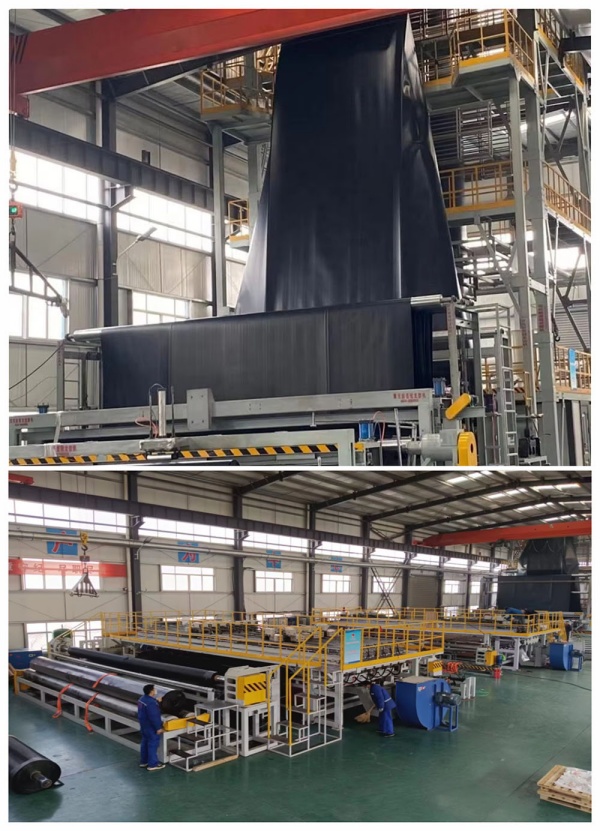
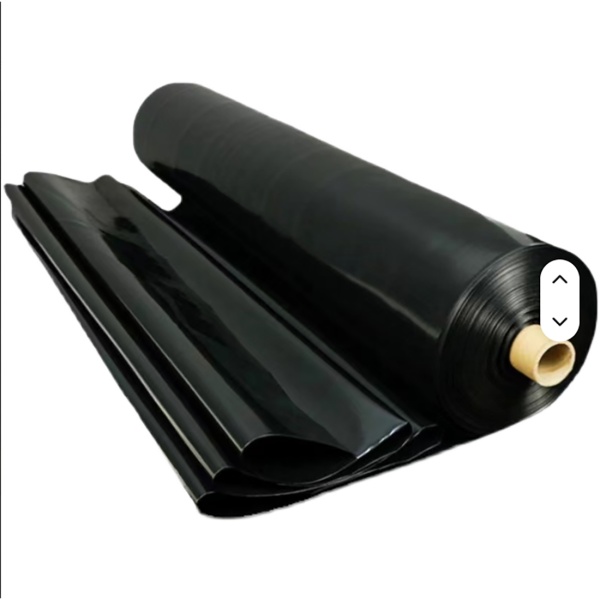
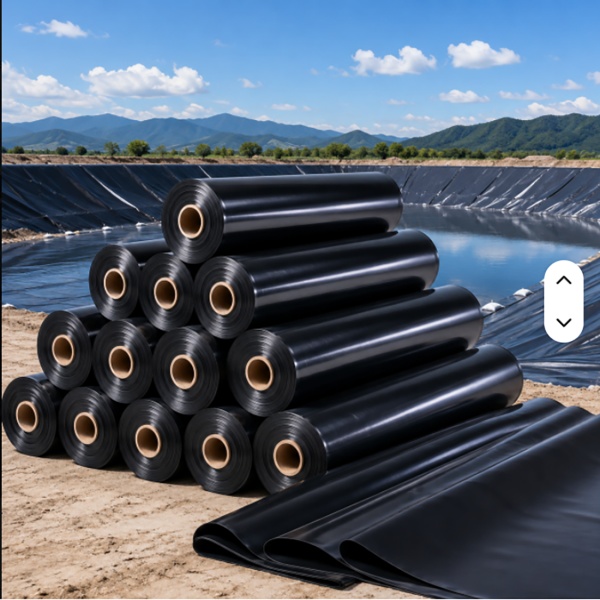
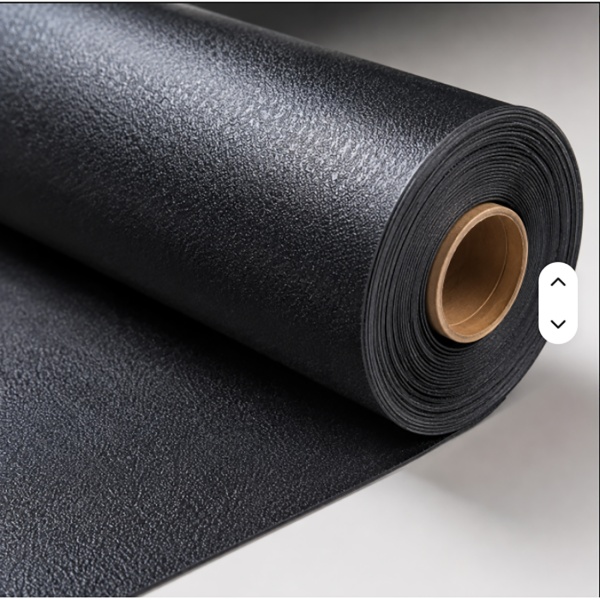
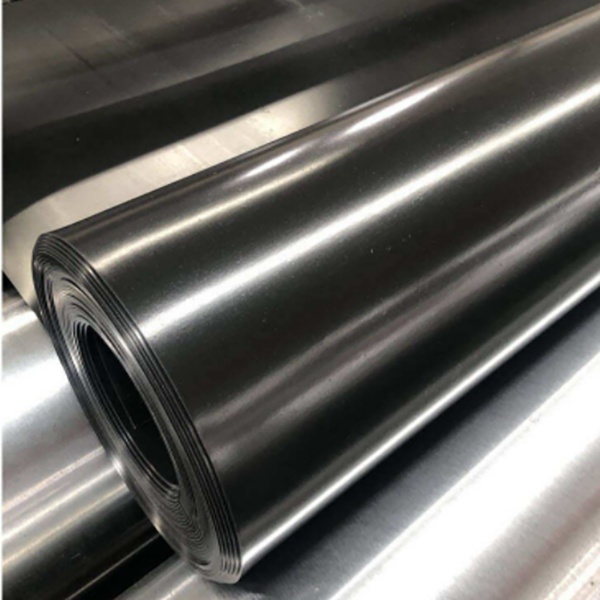
HDPE Geomembrane Liner Structure
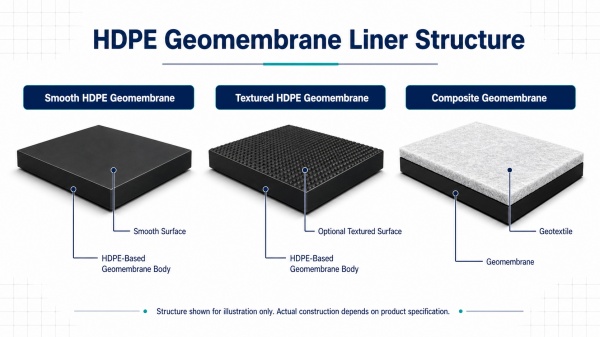
The finished geomembrane is a formulated polyethylene product rather than pure resin alone. The compound may include polyethylene resin, carbon black, antioxidants and processing additives. The exact formulation, layer construction and surface treatment must be confirmed for the selected product. Composite geomembrane should be described as a separate product with its own construction, mass per unit area and test data.
Production Process of HDPE Geomembrane Roll
Step | Process | Information |
1 | Incoming Material Control | Resin and approved additives are identified by lot and checked against the confirmed production formula. |
2 | Batch Preparation | Materials are weighed and mixed according to the controlled production instruction. |
3 | Extrusion and Forming | The compound is melted and formed into a continuous geomembrane web using the verified factory process. |
4 | Online Thickness Control | Thickness is monitored across the width and adjusted against the product specification. |
5 | Surface Formation | Smooth or textured surface is produced according to the confirmed SKU and process capability. |
6 | Cooling and Stabilization | The web is cooled and stabilized before edge control and winding. |
7 | Edge and Width Control | The effective width, edge condition and appearance are checked. |
8 | Sampling and Testing | Required physical and formulation tests are performed according to the inspection plan and stated methods. |
9 | Winding and Identification | The material is wound to the confirmed roll geometry and labeled with traceability information. |
10 | Protective Packing | Rolls receive the confirmed wrapping, handling marks and lifting arrangement. |
11 | Loading Verification | Roll count, net weight, dimensions and container securing are checked against the shipping plan. |
Frequently Asked Questions about HDPE Geomembrane Liner
What is a geomembrane?
A geomembrane is a low-permeability polymeric barrier used within engineered containment systems. It is commonly supplied in rolls, deployed over a prepared surface and joined by qualified field-welding procedures.
What is an HDPE geomembrane liner?
It is a geomembrane based on a high-density polyethylene compound. The finished product includes a controlled formulation and must be selected by thickness, surface, properties, installation and project requirements.
What is the difference between geomembrane and geotextile?
A geomembrane provides the barrier function. A geotextile is a permeable textile used for separation, filtration, cushioning, reinforcement or protection. Many projects use them together, but they are not interchangeable.
Do you supply smooth and textured geomembrane?
Smooth, single-textured and double-textured directions may be available. Confirm the current product range, texture method, usable width and product-specific test data before quotation.
What thickness should I use?
Thickness must follow the project design and applicable specification. Tell us the application, subgrade, slopes, contained media, exposure, cover and required standard so we can identify an appropriate product direction for review.
Is 1.5mm the same as 60 mil?
They are close but not exactly the same. Sixty mil equals 1.524mm. State whether the order requires an exact mil value, a nominal 1.5mm product or a minimum-thickness requirement.
Is 2.0mm the same as 80 mil?
They are close but not exact. Eighty mil equals 2.032mm. The quotation and TDS should state the actual nominal thickness and applicable tolerance.
What roll widths are available?
Factory-visit information indicates a 2-8m width direction, with 5.9m and 8m commonly supplied. The effective finished width and tolerance must be confirmed for the selected product and line.
Can roll length and roll weight be customized?
They can be discussed within production, handling and container limits. Provide the maximum roll weight, lifting equipment, panel plan and destination so the roll geometry can be checked.
How is HDPE geomembrane welded?
Qualified installers commonly use hot-wedge welding for production seams and extrusion welding for details or repairs. The project should define trial seams, welding parameters and non-destructive and destructive seam tests.
Do you provide installation?
Material supply, remote guidance, on-site supervision and full installation are different scopes. Tell us the project country and required service so we can confirm what is available in writing.
Is HDPE geomembrane completely waterproof?
It is used as a low-permeability barrier, but system performance also depends on seams, penetrations, subgrade, protection and installation quality. We do not recommend a blanket zero-leakage claim.
How long does geomembrane last?
Service life is project-specific. Formulation, thickness, temperature, UV exposure, chemical environment, cover, installation damage and seam integrity all matter. Request project-relevant evidence instead of relying on one general number.
What warranty do you offer?
Warranty terms are issued on a product- and project-specific basis. Request the applicable written warranty before purchase and distinguish it from an estimated service life.
Is your geomembrane made from 100% virgin resin?
The finished geomembrane is a formulated compound that may include polyethylene resin, carbon black, antioxidants and processing additives. Ask for the exact product declaration and current test evidence rather than relying on a broad slogan.
Is the product GRI-GM13 certified?
GRI-GM13 is commonly referenced as a specification, but reference to it is not the same as certification. Send the project edition and required values, then review the TDS, reports and batch evidence for the exact product.
Is the product CE certified?
CE marking is product- and intended-use-specific. For a European project, request the applicable Declaration of Performance, CE label and supporting conformity documents for the exact product and intended use.
Can you provide samples and technical files?
Yes, subject to the selected product and commercial arrangement. Request the current TDS, sample, sample-batch certificate and applicable reports needed for technical approval.
What is the MOQ and lead time?
Both depend on thickness, surface, width, quantity, production schedule, documentation and packing. Factory-visit information indicated a normal 7-10 day production direction, but the written quotation is controlling.
How much fits in a 40-foot container?
Factory feedback indicated approximately 28.5 metric tons in some shipments. Final loading depends on legal payload, roll geometry, packaging and route. We will confirm a SKU-specific packing list and loading plan.
How much does geomembrane cost?
Price varies with polymer market, material, thickness, surface, width, quantity, testing, packing, Incoterm, freight and quotation date. Send the complete requirement for a comparable price per square meter or per roll.
What information is needed for a quotation?
Provide company and country, application, site conditions, material, surface, thickness, width, area, slopes, standard, required documents, packing, destination port, Incoterm, installation scope and schedule.
Related Videos
【视频】
Contact Our Geomembrane Supply Team
Tell us what the liner must contain, how the site will be prepared and which standard controls the project. Our team will help organize the product options, documents, sample, roll plan, packing and quotation for technical and commercial review.

 English
  français
  Español
  العربية
  português
  русский
  日本語
日本語  한국어
한국어  italiano
  Deutsch
  Türkçe