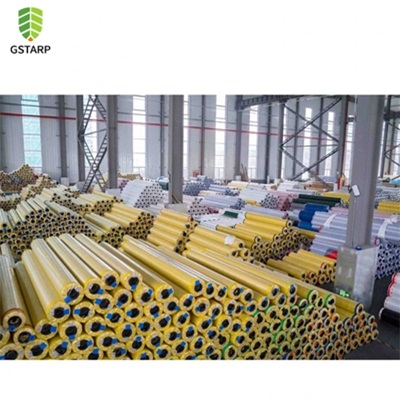
Geogrid Manufacturer for Civil Engineering Projects
We supply geogrid rolls for road, subgrade, retaining-wall, port, landfill, tailings, reclamation, dam and slope projects. The factory product range described in the supplied brochures includes plastic geogrids, fiberglass geogrids, polyester geogrids, steel-plastic composite geogrids, geocomposites, basalt-fiber geogrids and related geosynthetic materials.
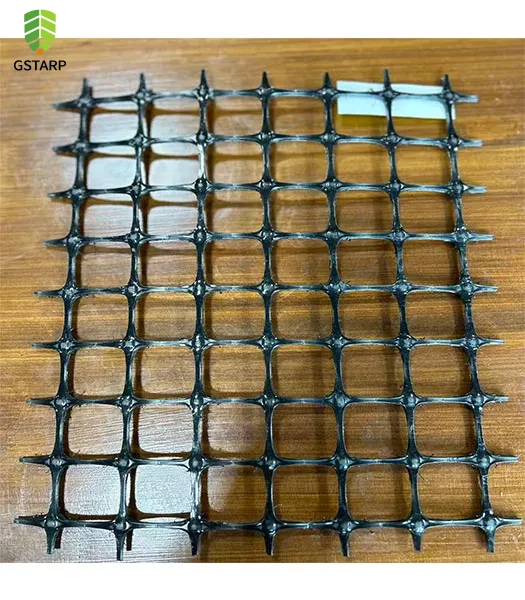
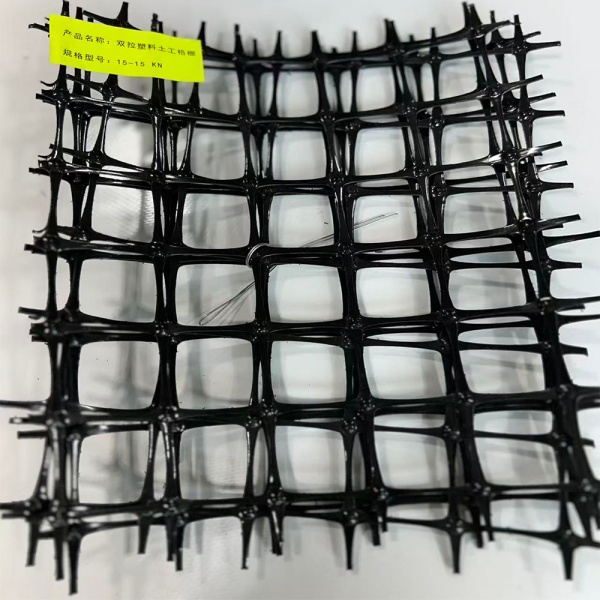
For plastic geogrids, the visit record identifies polypropylene as the main raw material and biaxial products as the general-purpose direction. International demand is commonly concentrated around 15-40 kN, with 20 kN and 30 kN frequently requested; 50 kN is common in the domestic market. Final MD/CMD values and test methods must be confirmed by product model.
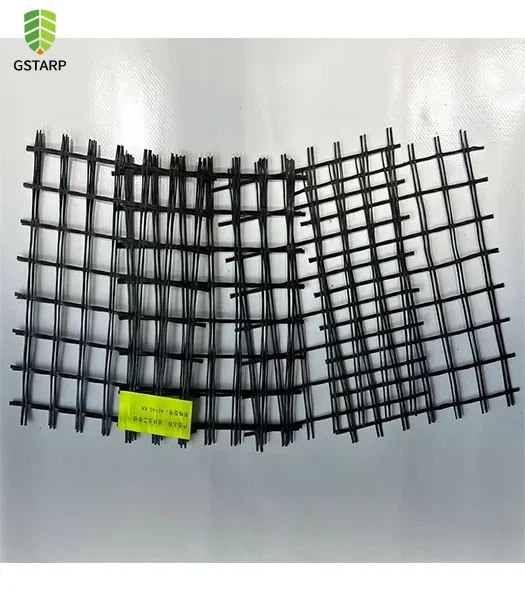
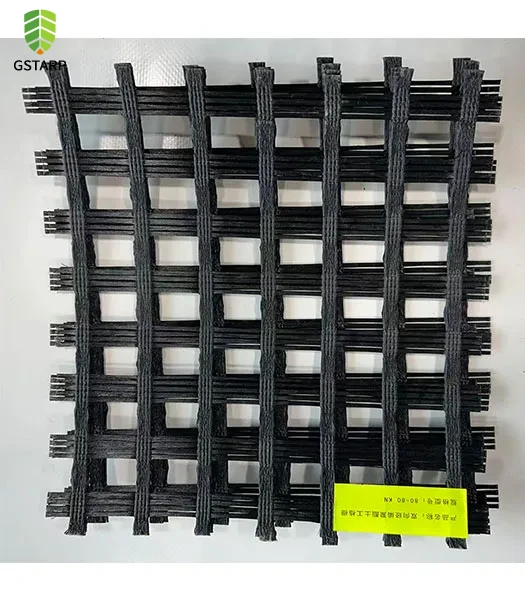
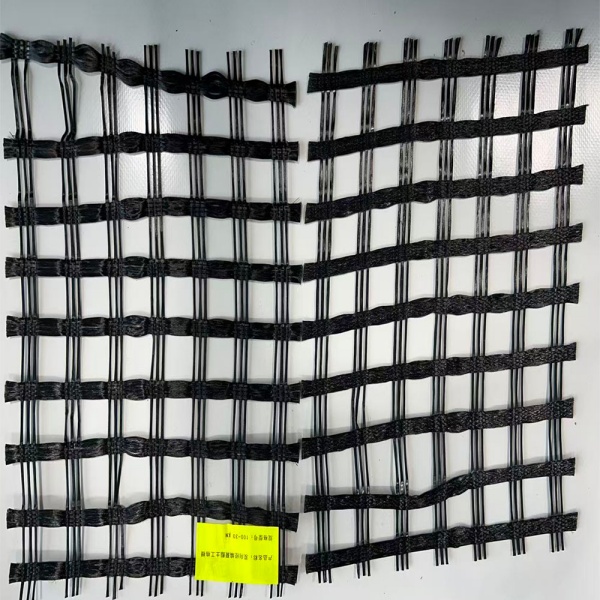
Fiberglass geogrids are positioned for road-surface and asphalt applications. Recorded strength directions include 30, 50, 60 and 120 kN, with a maximum direction of 150 kN; 50, 100 and 120 kN are reported as common export grades. Polyester and uniaxial geogrids are available for higher-strength project reinforcement, subject to model-specific confirmation.
Send the project application, required tensile strength in both directions, aperture, roll width and length, quantity, destination, applicable test standard and any geotextile-composite requirement. We will match the request to a producible model and provide the corresponding technical data.
Top Geogrid Parameters from the Supplied Factory Materials
Top Parameter | Information |
Plastic geogrid material | Polypropylene is recorded as the general raw material; biaxial products are the main general-purpose direction. |
Plastic geogrid strength direction | International demand is generally 15-40 kN; 20 kN and 30 kN are the most common recorded grades; 50 kN is common domestically. |
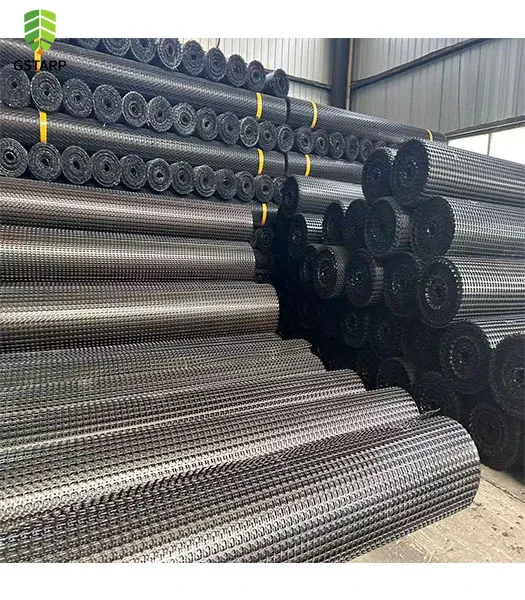
Plastic roll direction | A commonly recorded roll size is 3.95 m x 50 m; maximum width direction is 5.95 m. |
Plastic aperture direction | 3-4 cm is common internationally; 5 cm and 6.5 cm are also used in the domestic market. |
Fiberglass strength direction | 30, 50, 60 and 120 kN are major grades; maximum recorded direction is 150 kN. |
Fiberglass export grades | 50, 100 and 120 kN are reported as the most exported strength directions. |
Fiberglass roll sizes | 3.95 m x 100 m and 5.95 m x 100 m are recorded roll directions. |
Polyester direction | Uniaxial 30-200 kN is recorded; biaxial strength must be confirmed by exact model because the visit record contains an unclear unit. |
Polyester width | Recorded width direction is 3.95-5.95 m; maximum stitched width is 5.4 m. |
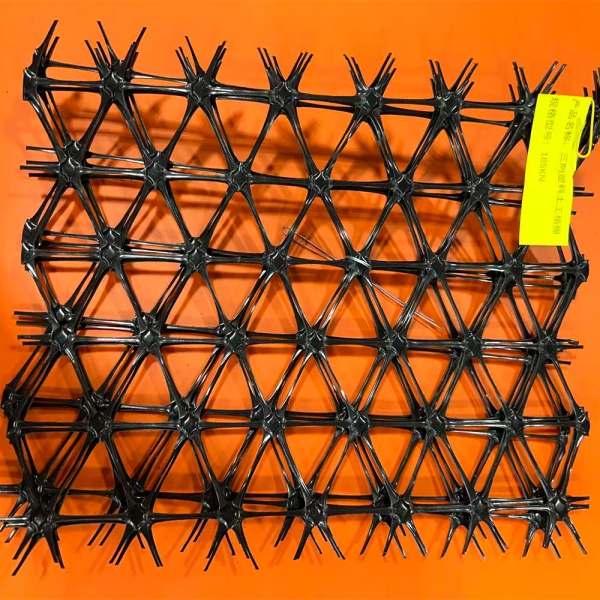
Three-layer triaxial grade | Three-layer co-extruded sandwich structure, recorded at 130 kN, with core thickness greater than 0.3 mm; direction and method require confirmation. |
Composite option | Plastic, fiberglass and polyester geogrids may be combined with geotextile/nonwoven layers depending on the product. |
Features of Project Geogrid Supply
Feature | Information |
Multiple material families | PP/HDPE plastic, fiberglass, polyester, steel-plastic, basalt-fiber and composite directions are shown in the supplied factory materials. |
Uniaxial and biaxial | Select the loading direction according to retaining-wall, embankment, subgrade or pavement requirements. |
Project roll widths | Recorded product directions extend from 3.95 m to 5.95 m for selected families. |
Asphalt reinforcement | Fiberglass geogrid is used with asphalt in road-surface construction and widening projects. |
Composite construction | A geogrid can be combined with nonwoven geotextile to reduce separate placement steps where approved. |
Engineering applications | Roads, ports, landfills, tailings, reclamation, dams, slopes and retaining structures. |
Model-based documentation | Technical values, test methods, roll labels and inspection documents are matched to the quoted model. |
Mixed geosynthetic supply | Related geotextile, geomembrane and geocomposite directions support project-package enquiries. |
Geogrid Product Specifications
Product Family | Recorded Factory Direction | Roll / Width Direction | Primary Application |
PP biaxial plastic geogrid | General-purpose; international 15-40 kN direction, with 20/30 kN common; domestic 50 kN direction. | 3.95 m x 50 m commonly recorded; maximum width direction 5.95 m. | Soft subgrade, road widening, ports, reclamation and working platforms. |
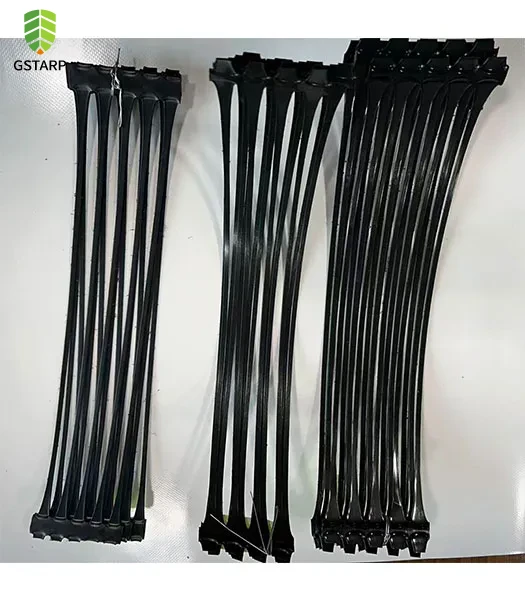
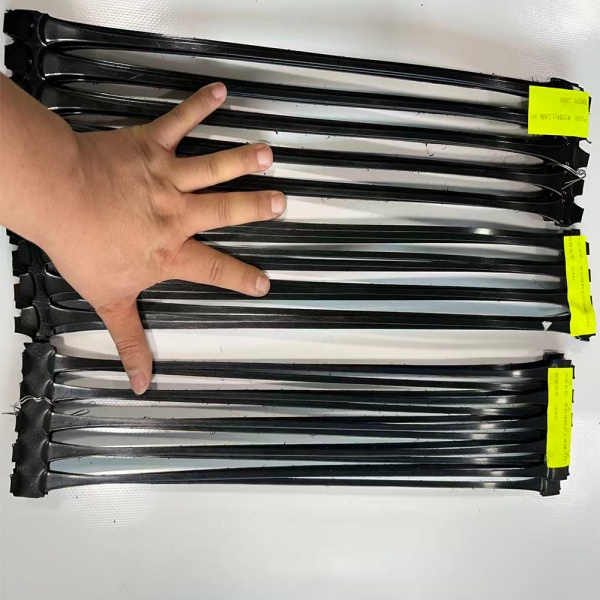
PP/HDPE uniaxial geogrid | Project model to be selected by longitudinal strength requirement. | Roll size is model-dependent; factory brochure shows uniaxial product families. | Retaining walls, dams, embankments and reinforced soil. |
Fiberglass geogrid | 30/50/60/120 kN major grades; maximum recorded direction 150 kN; 50/100/120 kN common export grades. | 3.95 m x 100 m and 5.95 m x 100 m. | Asphalt pavement, road-surface construction and road widening. |
Polyester geogrid | Uniaxial 30-200 kN recorded; biaxial value requires model confirmation. | 3.95-5.95 m; maximum stitched width 5.4 m. | Engineering reinforcement similar to plastic geogrid applications. |
Composite geogrid | Plastic/fiberglass/polyester geogrid combined with geotextile or nonwoven layer. | Width and bonding method depend on the base grid and composite process. | Combined reinforcement, separation and installation-efficiency direction. |
Steel-plastic composite geogrid | High-strength steel wire or fiber is specially handled and combined with polyethylene as described in the brochure. | Model-dependent. | Roadbed, retaining, foundation and high-strength reinforcement. |
Three-layer co-extruded triaxial | 130 kN recorded; sandwich core thickness greater than 0.3 mm. | Model-dependent. | High-end hydropower and port projects; same broad use direction as plastic geogrid. |
Basalt-fiber geogrid | Factory brochure shows biaxial strength models with low recorded elongation direction. | Model-dependent. | Pavement enhancement, old-road reinforcement and soft-foundation strengthening. |
Specifications vary by raw material, manufacturing process, strength direction, aperture, roll width, roll length and test method. Final values are subject to the written quotation, approved sample and model-specific technical data sheet.
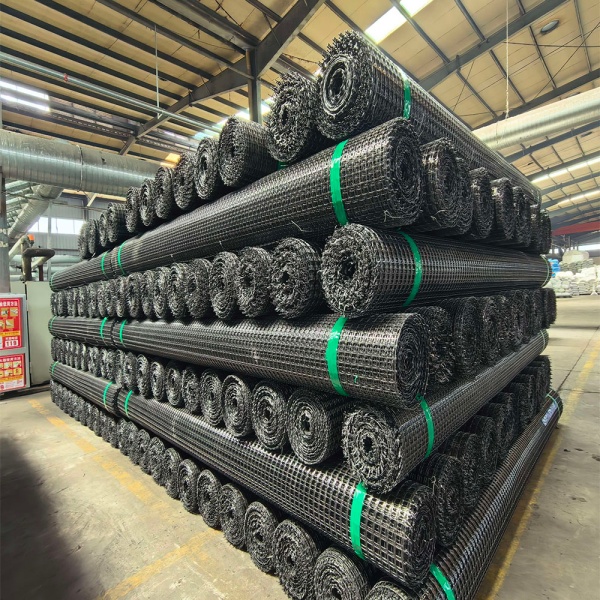
Detailed Geogrid Images
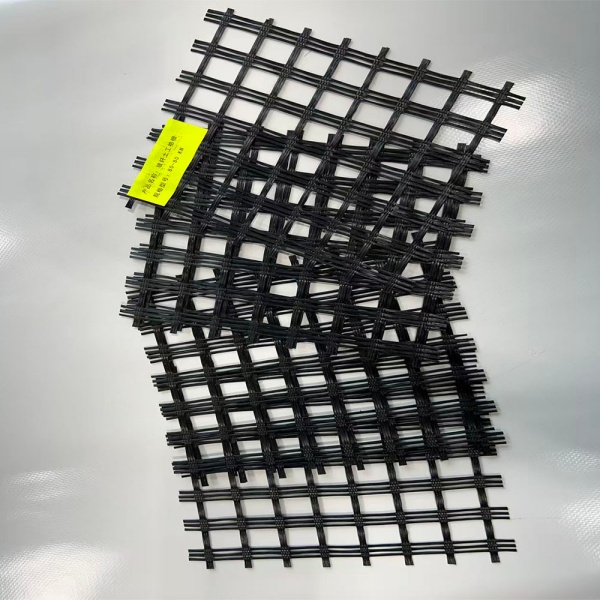
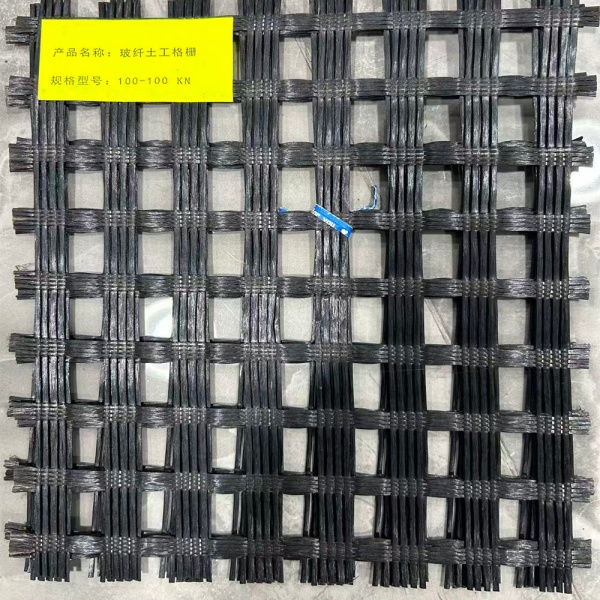
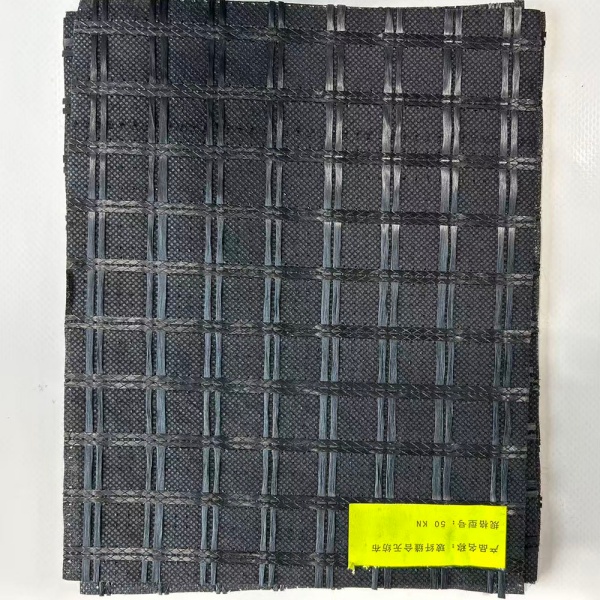
Typical Geogrid Road Structure
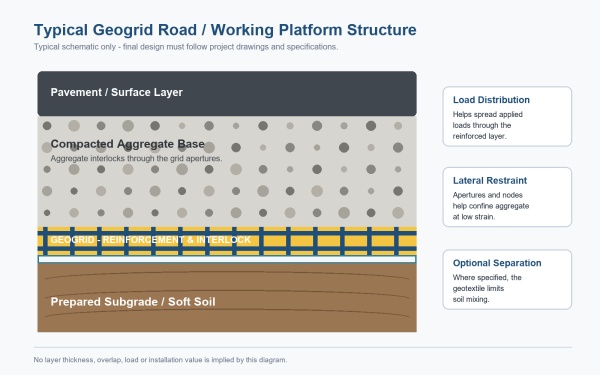
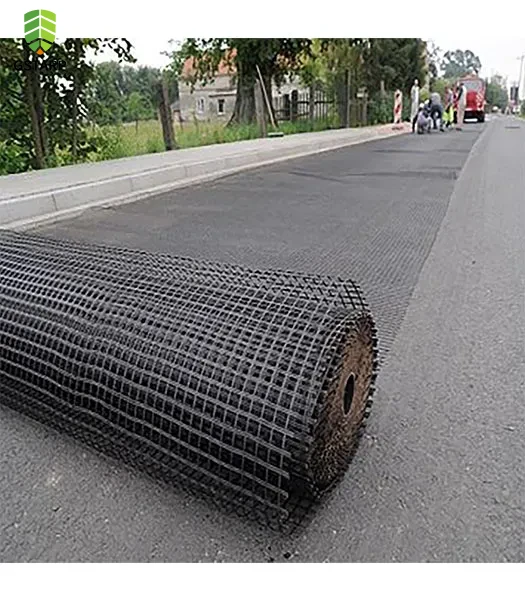
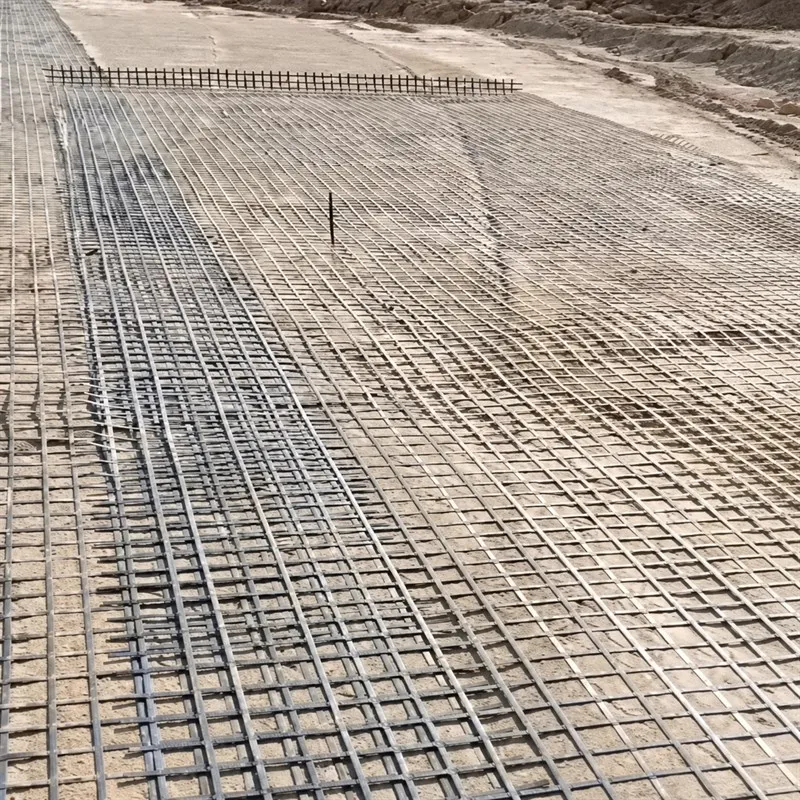
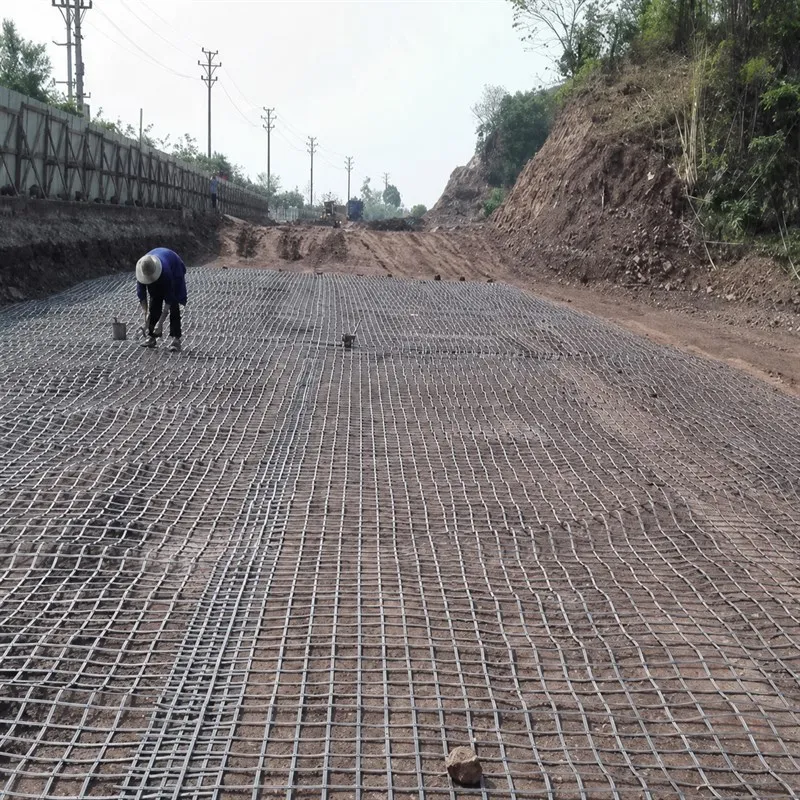
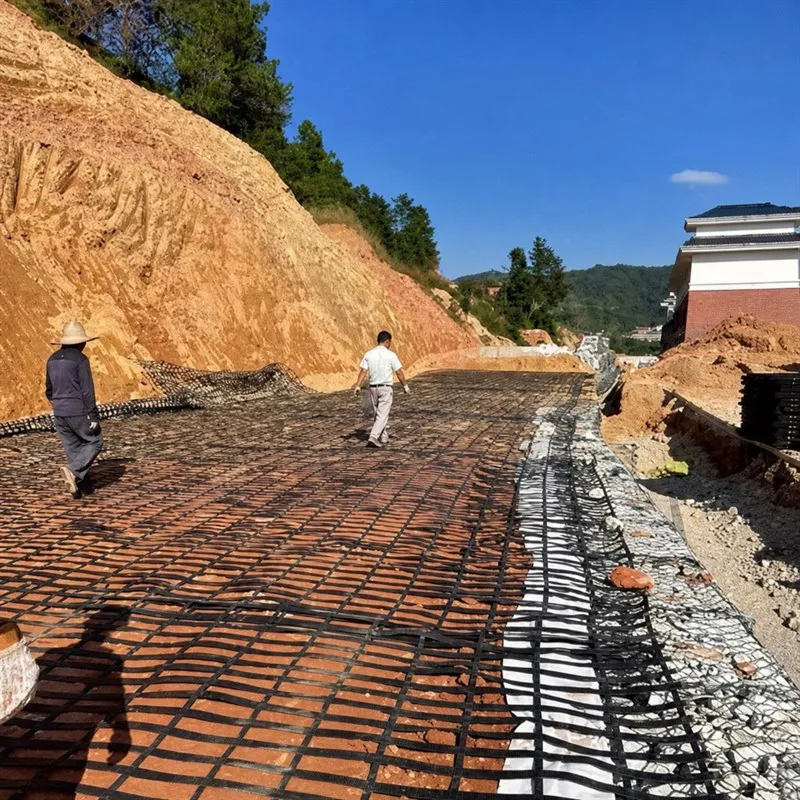
A geogrid is commonly placed at the interface between compacted aggregate and prepared subgrade so aggregate can interact with the apertures and the grid can provide reinforcement and lateral restraint. Where separation or filtration is also required, an approved nonwoven geotextile or geocomposite may be specified. The final layer sequence, product type, overlap, strength and installation method must follow the project drawings.
Production Process by Geogrid Type
Step | Process | Information |
1 | Raw-material preparation | PP/HDPE resin direction for plastic grids; glass-fiber yarn or polyester industrial filament for knitted grids; exact formulation by model. |
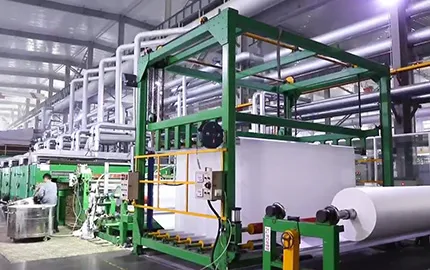
2 | Grid formation | Plastic grids use extrusion, punching and stretching directions; knitted grids use warp-knitting; steel-plastic products use composite strips and welding. |
3 | Coating / treatment | Fiberglass and polyester grids may use coating processes described in the supplied standards and brochures. |
4 | Composite bonding | Where required, geogrid is combined with nonwoven geotextile by the confirmed factory process. |
5 | Dimensional inspection | Check aperture, width, length, roll appearance and model marking. |
6 | Mechanical testing | Confirm tensile properties and other required tests using the method stated for the quoted model. |
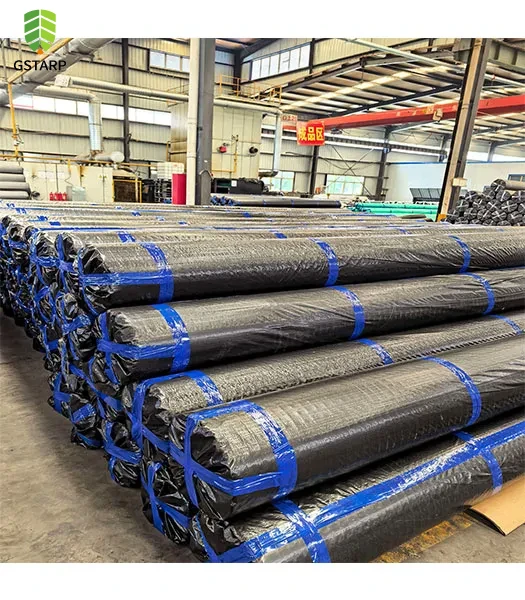
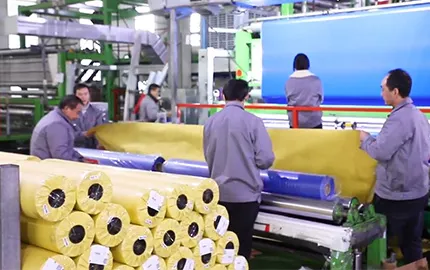
7 | Rolling and packing | Control winding, core, roll protection, labels, lot identification and export packing. |
How the Main Geogrid Types Differ
Geogrid Type | Structure / Material Direction |
PP biaxial | Stretched plastic grid; two principal directions. |
PP/HDPE uniaxial | High longitudinal reinforcement direction. |
Fiberglass | Warp-knitted fiberglass with coating direction. |
Polyester | High-strength polyester yarn or welded polyester direction. |
Composite | Grid combined with geotextile/nonwoven. |
Steel-plastic | High-strength steel-wire composite strip grid. |
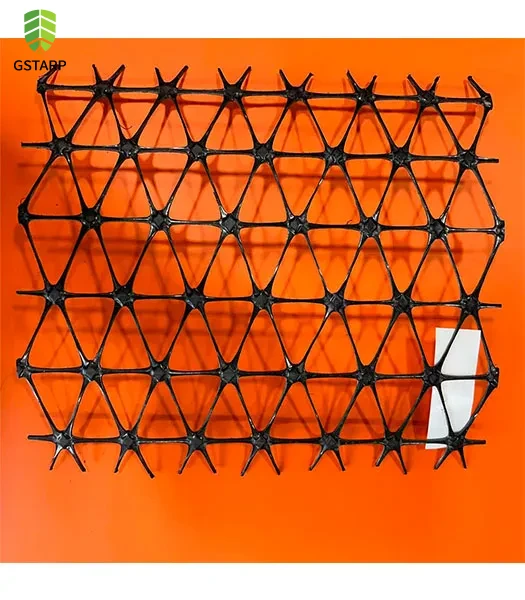
Triaxial / three-layer | Triangular or three-direction structure; three-layer co-extruded model recorded. |
Properties and Quality Control
Tensile strength must be stated by direction and test method, not as an isolated marketing number.
Aperture size should be matched to the aggregate or fill used in the project.
Junction or node integrity affects load transfer and construction survivability.
Roll width, roll length, edge condition and winding must be checked against the purchase order.
Composite products require consistent bonding and must not delaminate during handling.
Raw-material and coating directions must match the selected geogrid family.
Roll labels and batch identification should connect the delivered rolls to the inspection documents.
UV, durability, creep or project-specific properties should only be published when supported by the corresponding model report.
Tensile Strength by MD and CMD
The purchase specification should state the required tensile direction, nominal value and test method. For biaxial products, both principal directions should be confirmed. For uniaxial products, the cross-machine direction remains part of the model definition.
Low-Strain and Junction Performance
Ultimate strength alone does not describe how the geogrid behaves at low strain or how the nodes transfer load. Where the project specification requires 2% or 5% strain values or junction separation strength, quote those values only from the matching report.
Aperture and Aggregate Interaction
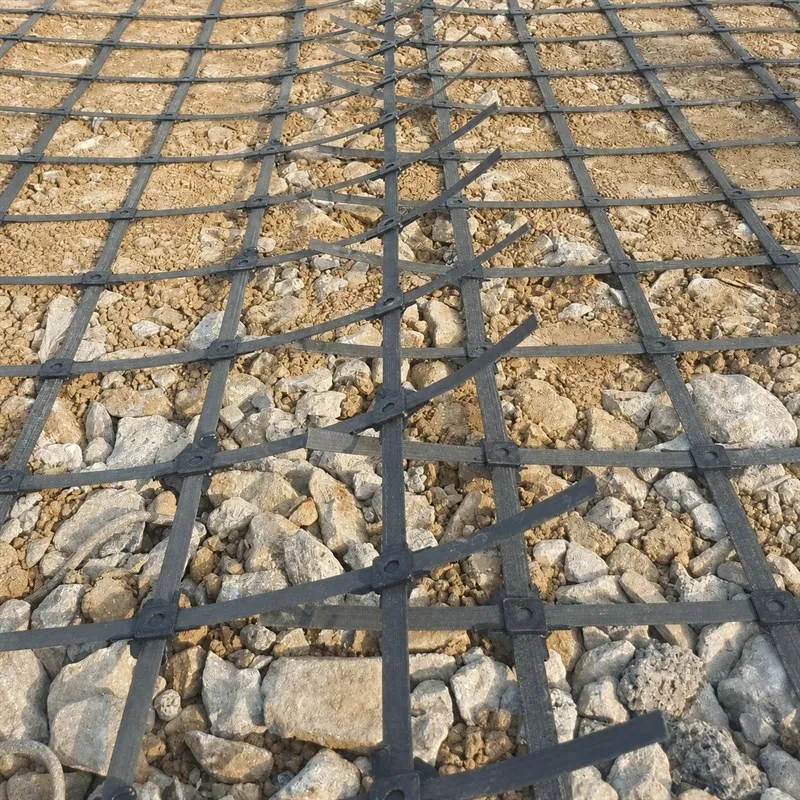
The visit record notes 3-4 cm apertures as common for international plastic-geogrid demand, with 5 cm and 6.5 cm also used domestically. The project engineer should select the aperture against the actual fill or aggregate.
Roll Width and Installation Yield
Wider rolls can reduce the number of longitudinal joints and installation steps, but site access, lifting, roll weight and equipment must be considered. Confirm usable width rather than relying on a nominal maximum.
Composite Bonding
For a grid combined with nonwoven geotextile, confirm whether the components are laminated, glued, stitched or otherwise bonded, and verify the finished composite rather than assuming the two components retain their separate roll specifications.
Documentation and Traceability
The quotation, TDS, test report, label, production lot and packing list should use the same product code and strength designation. Generic certificates should not replace model-specific documents.
Target Markets for Geogrid Rolls
Market | Main Product Direction | Target Buyers | Information |
Road construction | PP biaxial, fiberglass, composite geogrid. | Road contractors, pavement suppliers, civil distributors. | Road stabilization, widening and pavement pages. |
Retaining walls | Uniaxial PP/HDPE and polyester direction. | Wall-system suppliers, geotechnical contractors. | Design-input RFQ; no DIY design promise. |
Ports & reclamation | Plastic, polyester and three-layer triaxial direction. | Marine civil contractors and project suppliers. | High-load platform and reclamation applications. |
Landfill & tailings | Grid, geotextile, geomembrane and composite directions. | Environmental contractors and liner installers. | Project-package supply and component compatibility. |
Hydropower & dams | Uniaxial and three-layer co-extruded triaxial direction. | Water-conservancy and EPC contractors. | High-strength project enquiry. |
Slope & erosion | Uniaxial/grid reinforcement with related geosynthetics. | Slope contractors and landscape-engineering suppliers. | Separate engineering page; do not target garden retail. |
Customer Groups We Supply
Customer Type | What They Buy Geogrid For | Main Purchasing Concerns |
Geosynthetic importers | Stock and project supply across multiple grid families. | Stable models, mixed containers, labels, documents and repeatability. |
Civil-engineering distributors | Road, retaining-wall and soil-stabilization programs. | Technical matching, local stock planning and sales support. |
Road contractors | Subgrade, widening, pavement and working platforms. | Project approval, delivery schedule and installation guidance. |
Geotechnical contractors | Retaining walls, reinforced soil, slopes and embankments. | Longitudinal strength, roll width, creep/durability evidence where required. |
Environmental contractors | Landfill, tailings and contaminated-land systems. | Compatibility with geotextile, geomembrane and drainage components. |
Project procurement teams | BOQ-based supply for infrastructure projects. | Traceability, inspection, packing, shipment timing and commercial terms. |
Geogrid for Retaining Walls
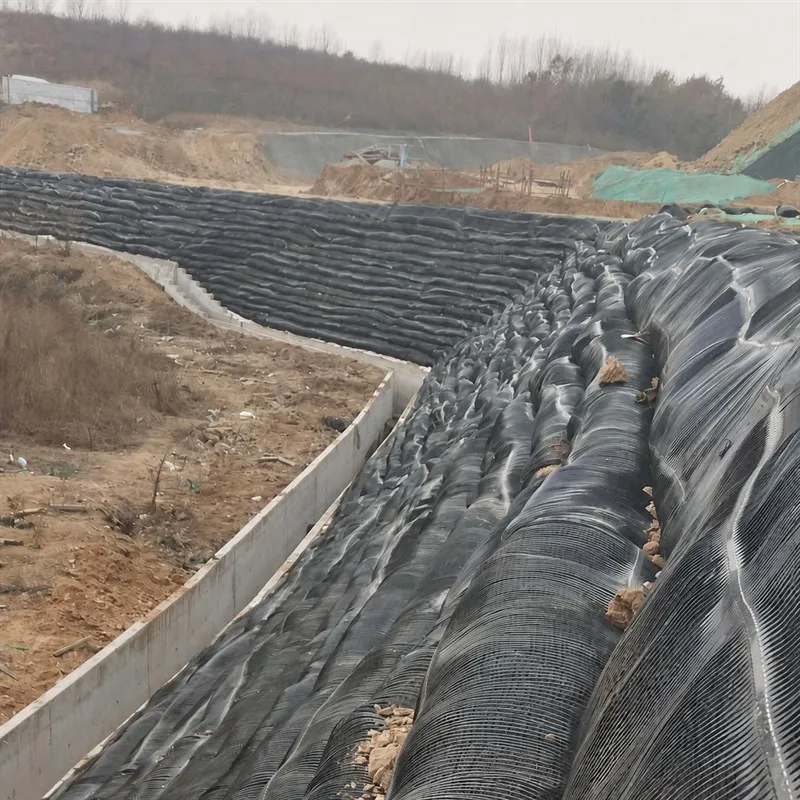
A retaining-wall geogrid is selected as part of an engineered reinforced-soil system. The grid is installed in designed layers within compacted fill and connected or terminated according to the approved wall system. Uniaxial PP/HDPE or polyester directions may be considered when their model-specific properties match the design.
A quotation should not be based on wall height alone. Provide the wall drawings, specified geogrid type, required longitudinal and transverse strength, design life or durability requirements, roll width, layer schedule, connection details, fill type and total quantity. The factory can then match the enquiry to a quoted model.
Do not publish a universal spacing or embedment length. Those values are controlled by the engineer and wall design, not by the generic product page.
Geogrid for Road Construction and Road Stabilization
Plastic biaxial geogrid is the main general-purpose direction recorded for soft subgrade, road construction, widening and working-platform applications. The visit record identifies 15-40 kN as a common international range, with 20 kN and 30 kN frequently requested. Final selection still depends on the approved project specification.
The purchasing team should provide subgrade condition, aggregate or fill information, required aperture, MD/CMD strength, roll width, total area and installation layer. Wider rolls may reduce the number of joints, while narrower rolls may be easier to handle on restricted sites.
Fiberglass Geogrid for Asphalt Pavement
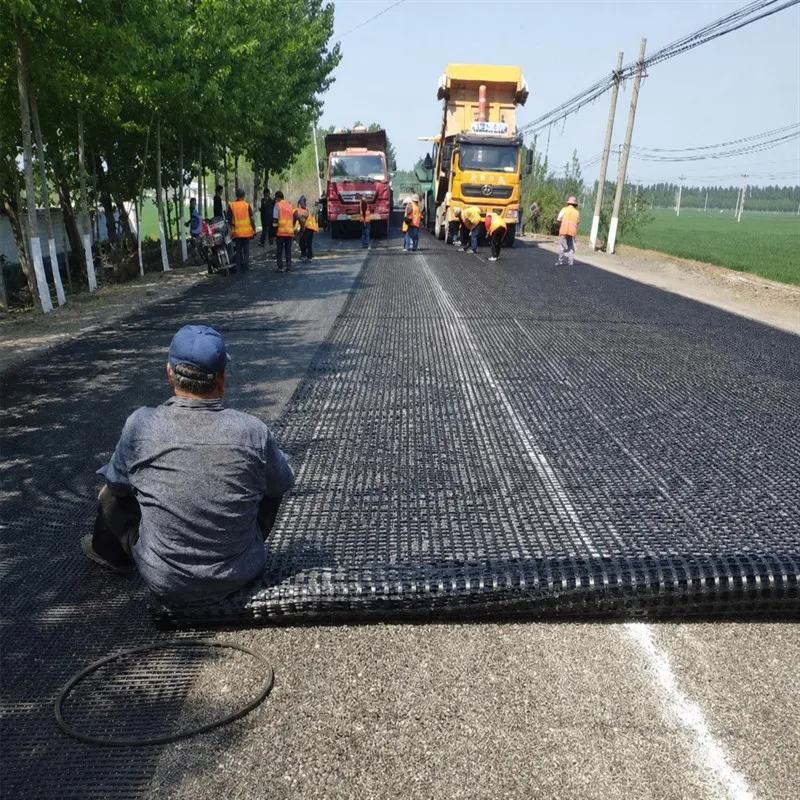
Fiberglass geogrid is positioned for road-surface construction, pavement rehabilitation and road widening, used together with asphalt. The supplied visit record lists 30, 50, 60 and 120 kN as major strength directions, a maximum of 150 kN, and 50, 100 and 120 kN as the most exported grades.
Recorded roll directions are 3.95 m x 100 m and 5.95 m x 100 m. A fiberglass grid may also be combined with nonwoven fabric. The exact coating, mesh, tensile direction and asphalt-installation method must be confirmed by product model and project requirements.
Geogrid for Soil and Subgrade Stabilization
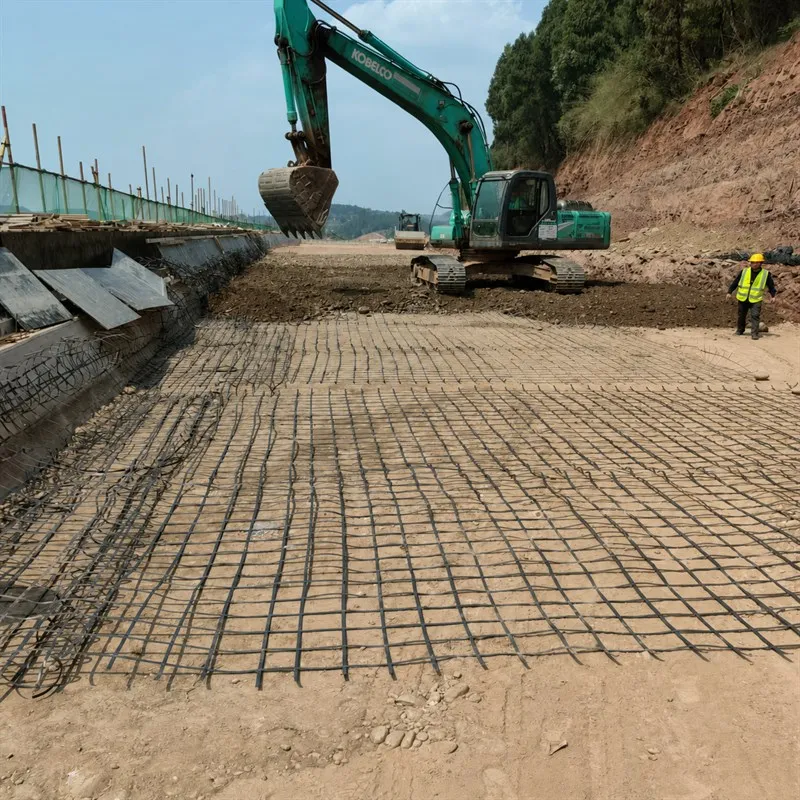
Geogrid reinforcement is used to improve the performance of aggregate and fill layers over prepared subgrade. The grid aperture allows aggregate interaction while the ribs and junctions provide restraint. Where migration of fines or filtration is also a concern, a separate geotextile or an approved geocomposite may be required.
Buyers should avoid selecting only by ultimate strength. Confirm the material family, loading direction, aperture, roll size, required low-strain values, junction requirements and installation environment from the project documents.
Geogrid for Slope Stabilization and Erosion-Control Projects
Slope and embankment applications may use uniaxial or project-specific geogrid reinforcement together with facing, fill and drainage components. The site page should present the grid as one part of an engineered system, not as a universal erosion-control mat.
Searches for grass geogrid, landscaping and cellular paving may refer to different plastic ground-grid or geocell products. Route these visitors to a separate page rather than presenting them as the same product as structural geogrid.
Composite Geogrid and Geogrid with Geotextile
The visit record confirms that plastic, fiberglass and polyester geogrids can be supplied in composite directions, including combinations with geotextile or nonwoven fabric. The purpose is to combine functions and reduce separate installation steps where the design permits.
For quotation, confirm the base-grid material and strength, geotextile type, mass or strength requirement if specified, bonding method, finished width, roll length and whether component or finished-composite testing is required.
How to Compare Geogrid Cost per Square Meter
Geogrid cost depends on raw material, product structure, MD/CMD strength, aperture, roll width and length, coating or composite layer, testing, packaging, order quantity and destination. A price per square meter is only comparable when the specification and test basis are the same.
For project quotations, send the BOQ or technical requirement instead of requesting the cheapest geogrid. A lower nominal price may reflect a different material, tensile direction, roll width, model designation or testing scope.
Installing Geogrid: Purchasing and Site Coordination
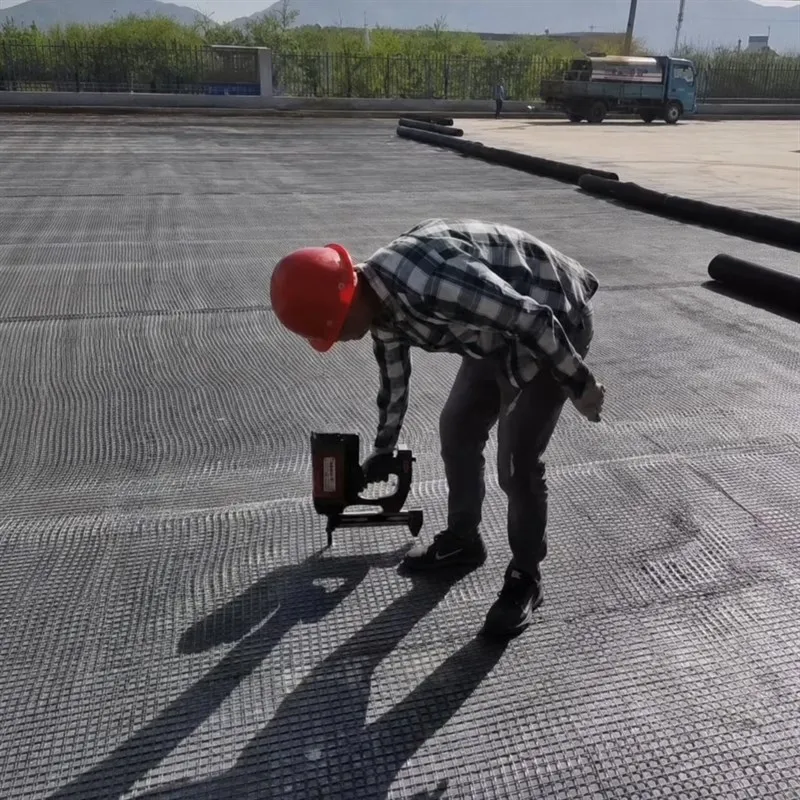
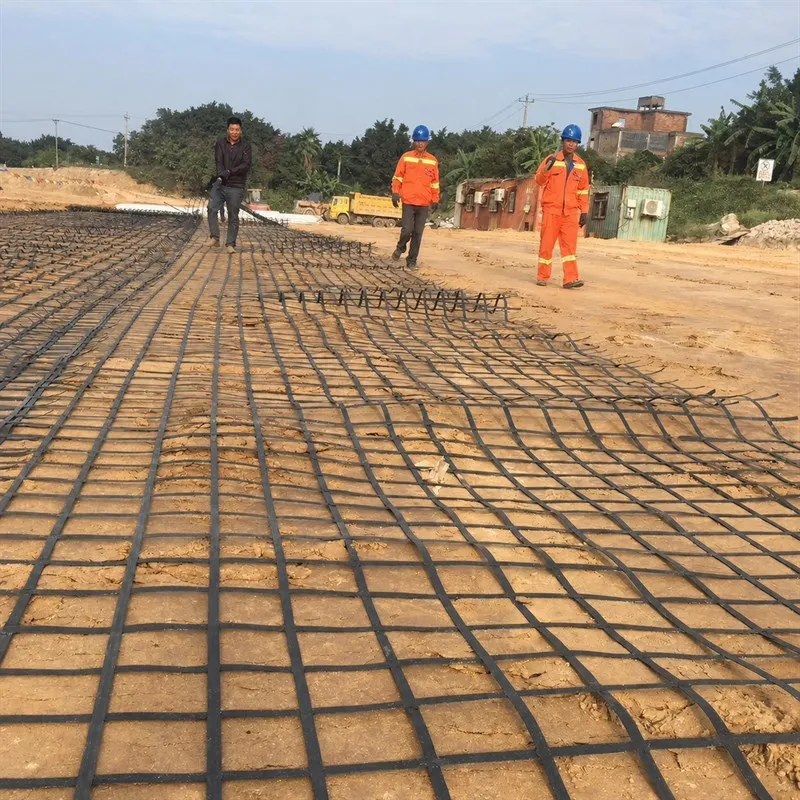
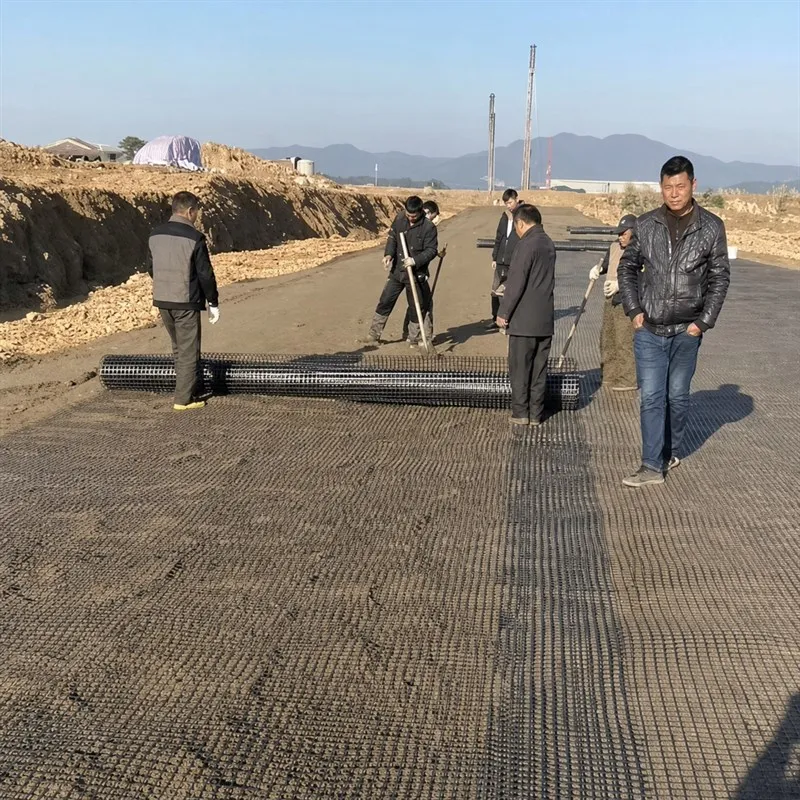
Installation must follow the approved drawings, project method statement and the product instructions for the selected model. The surface should be prepared, the roll direction should match the drawings, and the grid should be placed flat without damage before the specified overlying material is installed.
The website should not publish universal overlap, anchorage, compaction or cover values because these are not stated in the supplied factory materials and differ by project. Use the RFQ form to collect the drawings and installation requirements.
Frequently Asked Questions about Geogrid
What is geogrid?
Geogrid is an open-grid geosynthetic used as reinforcement in soil, aggregate, pavement and related civil-engineering structures.
Do you supply PP biaxial geogrid?
Yes. The visit record identifies polypropylene as the general plastic-grid raw material and biaxial products as the main general-purpose direction.
What geogrid strengths are commonly exported?
For plastic geogrid, 15-40 kN is recorded as a common international range, with 20 and 30 kN frequent. For fiberglass, 50, 100 and 120 kN are reported as common export grades.
What is the maximum roll width?
Selected product directions reach 5.95 m. The exact usable width and roll length depend on product family and model.
What roll sizes are recorded for fiberglass geogrid?
The visit record lists 3.95 m x 100 m and 5.95 m x 100 m.
What aperture sizes are common for plastic geogrid?
The visit record notes 3-4 cm as common internationally, with 5 cm and 6.5 cm also used domestically.
What is the difference between uniaxial and biaxial geogrid?
Uniaxial products emphasize one primary loading direction; biaxial products provide two principal directions. The project design determines which is required.
Is fiberglass geogrid used in asphalt?
Yes. The supplied records position fiberglass geogrid for road-surface construction and use together with asphalt.
Can geogrid be combined with geotextile?
Yes. Composite directions with geotextile or nonwoven fabric are recorded for plastic, fiberglass and polyester grid families.
Do you supply polyester geogrid?
Yes. The visit record lists uniaxial 30-200 kN and widths of 3.95-5.95 m; the exact biaxial model must be confirmed.
Do you supply triaxial geogrid?
The visit record includes patented triangular triaxial and a three-layer co-extruded sandwich product recorded at 130 kN with a core thicker than 0.3 mm.
Is geocell the same as geogrid?
No. Both appear in the factory portfolio, but geocell is a cellular-confinement product and should have a separate product page.
How do I request a quote?
Send the application, required MD/CMD strength, aperture, roll size, quantity, destination, standard, packing and project schedule.
Can you recommend a retaining-wall design?
The product supplier can match a grid model to stated requirements, but the wall design, layer spacing, embedment and connections must come from the project engineer.
What documents should be requested?
Request the model-specific TDS, applicable test report, label/lot information, packing details and any project-required certificates.
Request a Project Quote for Geogrid Rolls
Send us the project application, geogrid material, loading direction, required strength in MD and CMD, aperture, roll width and length, total quantity, destination port, test standard, packing and required delivery date. We will confirm the matching product model, producible roll specification and quotation.
RFQ Field | Buyer Information Required |
Buyer / project type | Importer, distributor, contractor, EPC, road, retaining wall, port, landfill, tailings, reclamation or dam. |
Product family | PP/HDPE plastic, fiberglass, polyester, composite, steel-plastic, basalt or triaxial direction. |
Strength | Required MD and CMD values with the stated test method. |
Aperture | Required inside opening or aggregate/fill information. |
Roll size | Usable width, roll length, maximum roll weight and handling restriction. |
Composite requirement | Geotextile/nonwoven type, bonding method and finished-product test requirement. |
Quantity | Square meters, number of rolls or BOQ by model. |
Documentation | TDS, test reports, standards, inspection, labels and traceability requirements. |
Delivery | Destination port, Incoterm, project schedule and partial/mixed-container requirement. |
Contact Our Geogrid Factory Supply Team
Tell us what the geogrid must do in the project and provide the design or specification where available. Our team will compare the recorded factory product families and prepare a model-based technical and commercial response.

 English
  français
  Español
  العربية
  português
  русский
  日本語
日本語  한국어
한국어  italiano
  Deutsch
  Türkçe